MULTI LICENSE: For Schools & Organisations
ONLINE | DIGITAL
$89.00
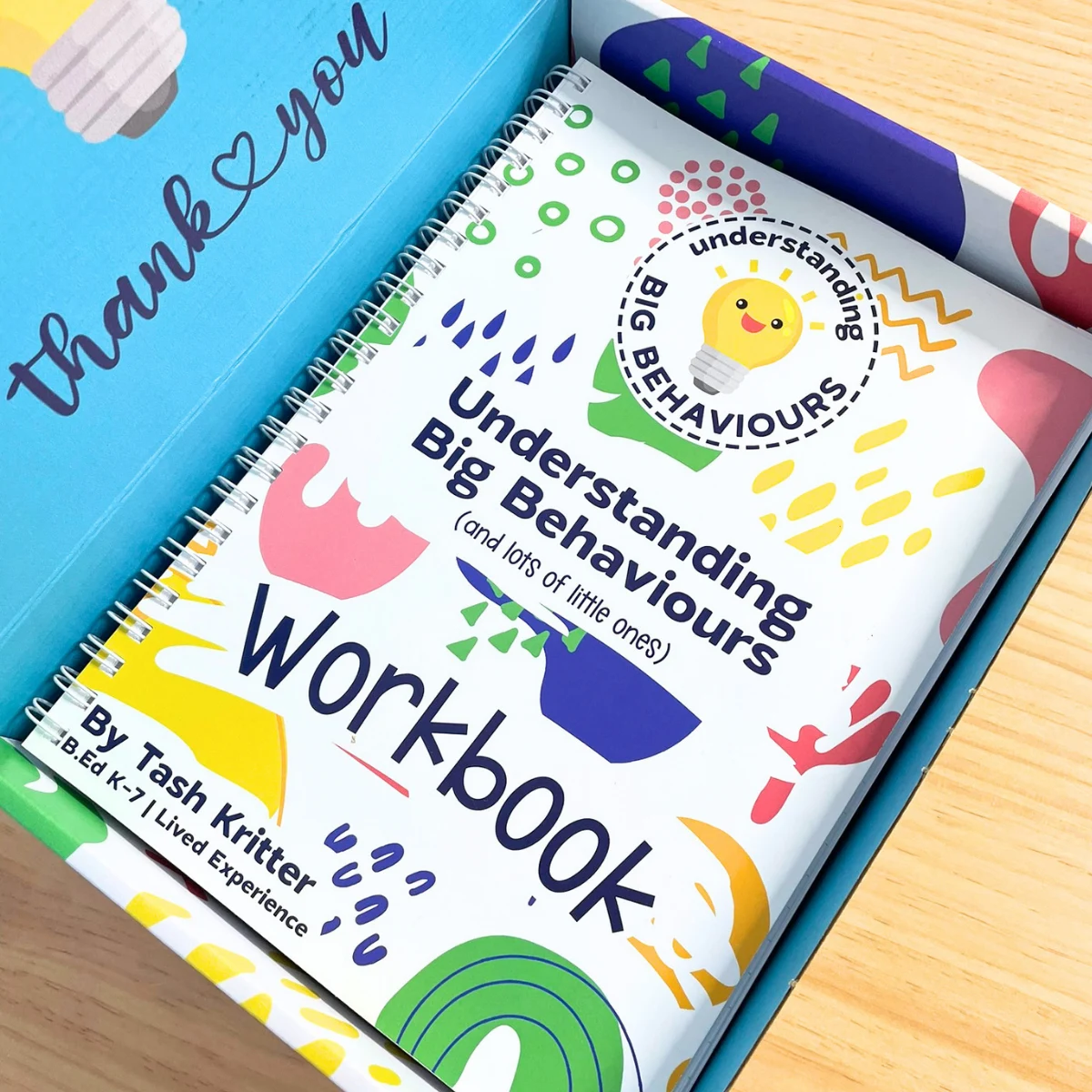
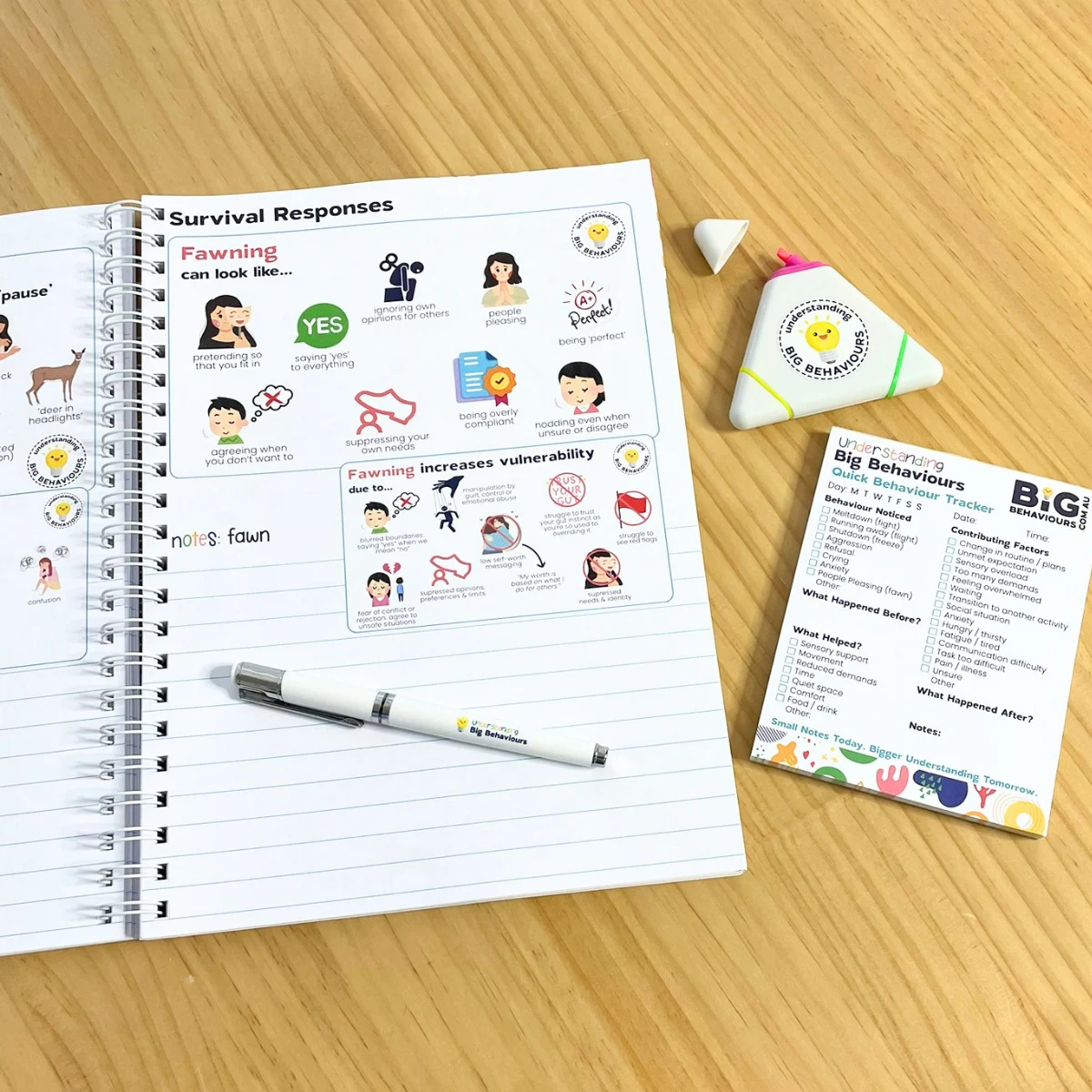
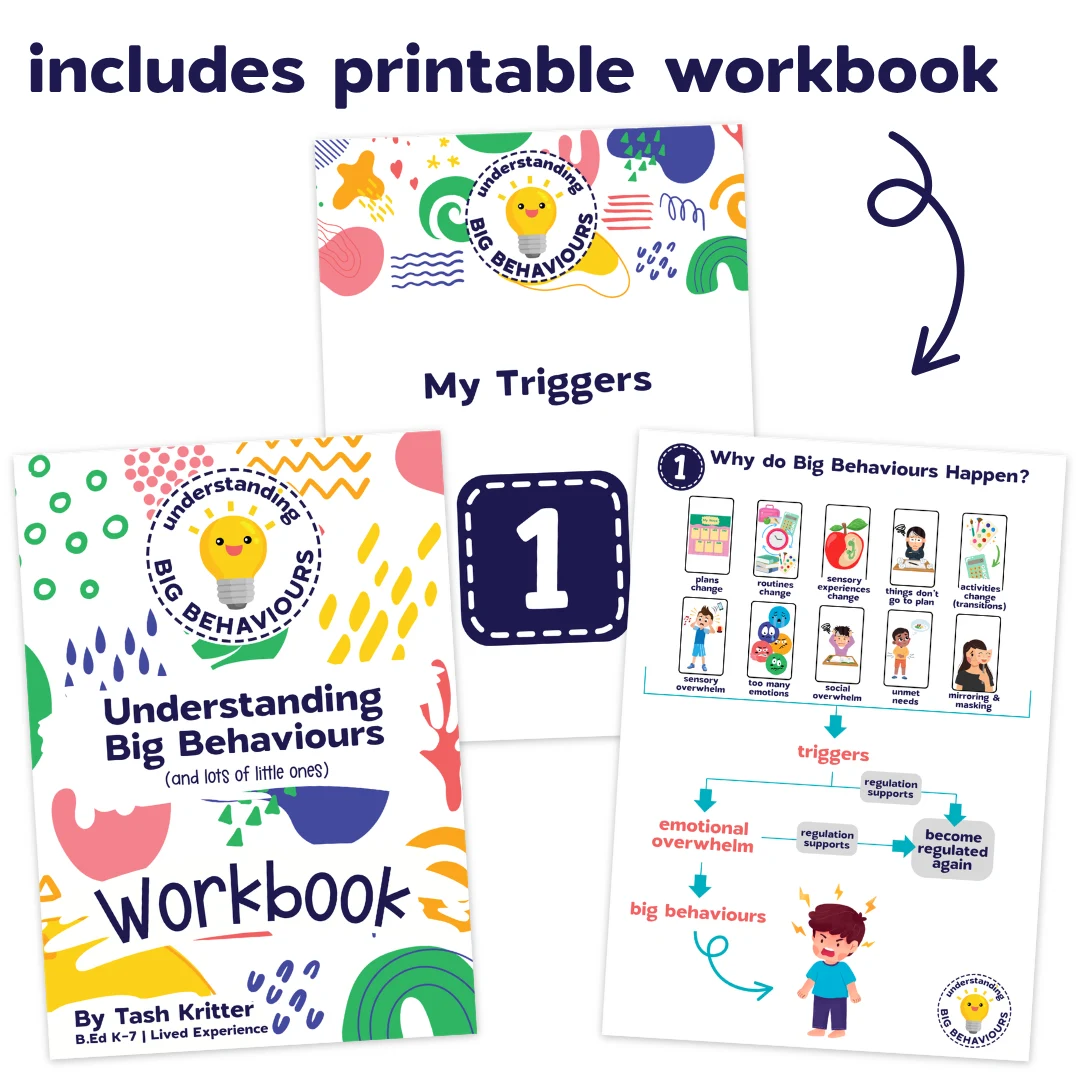
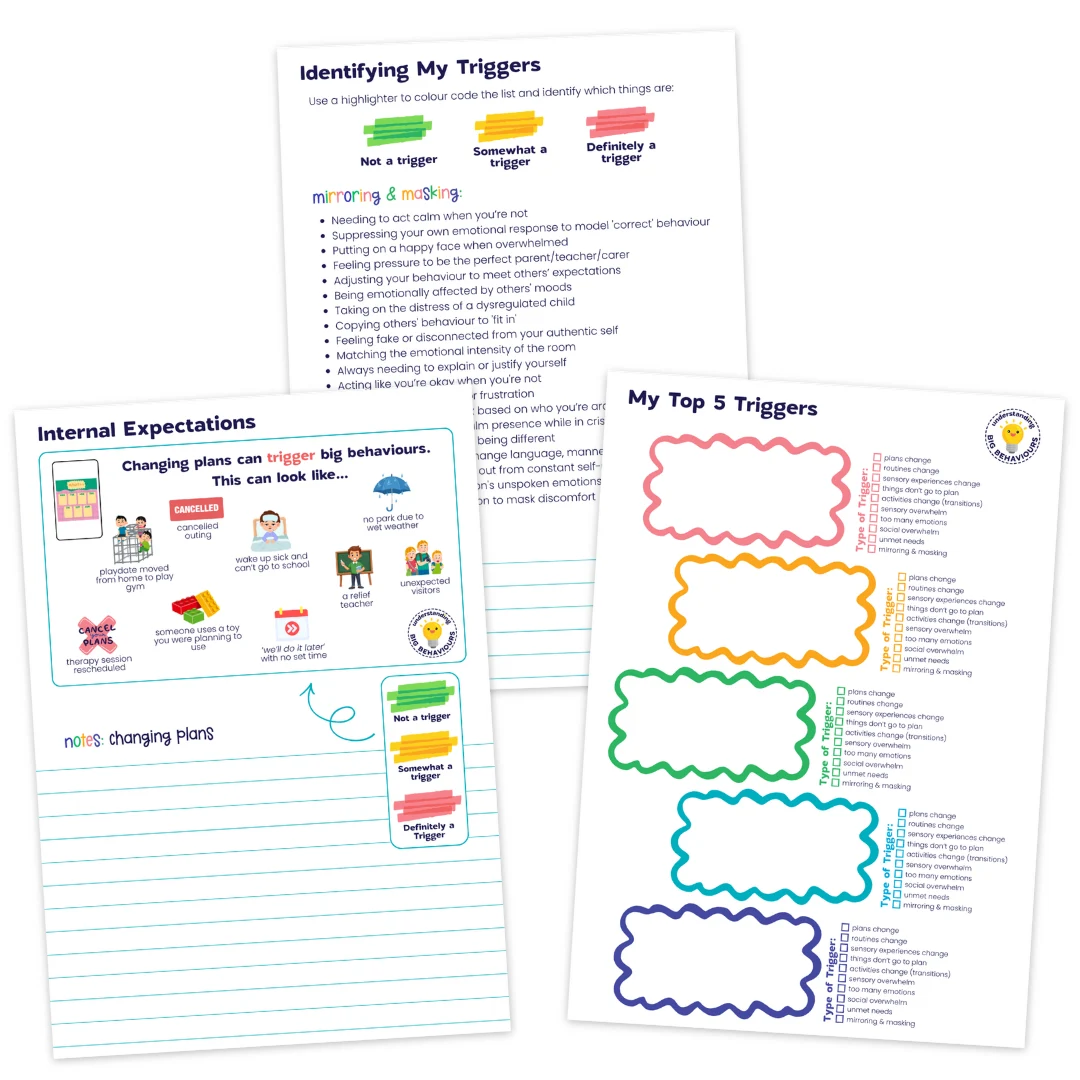
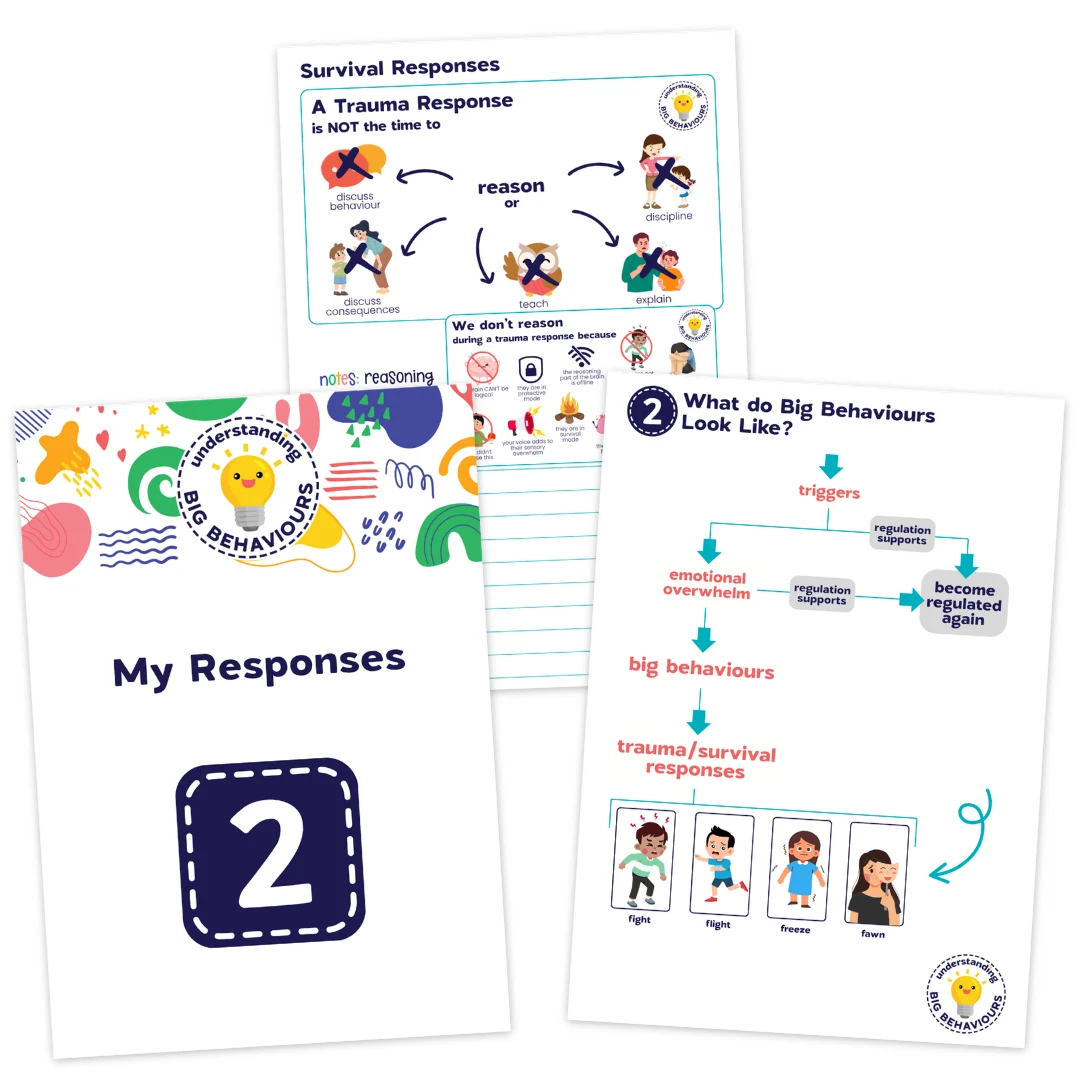
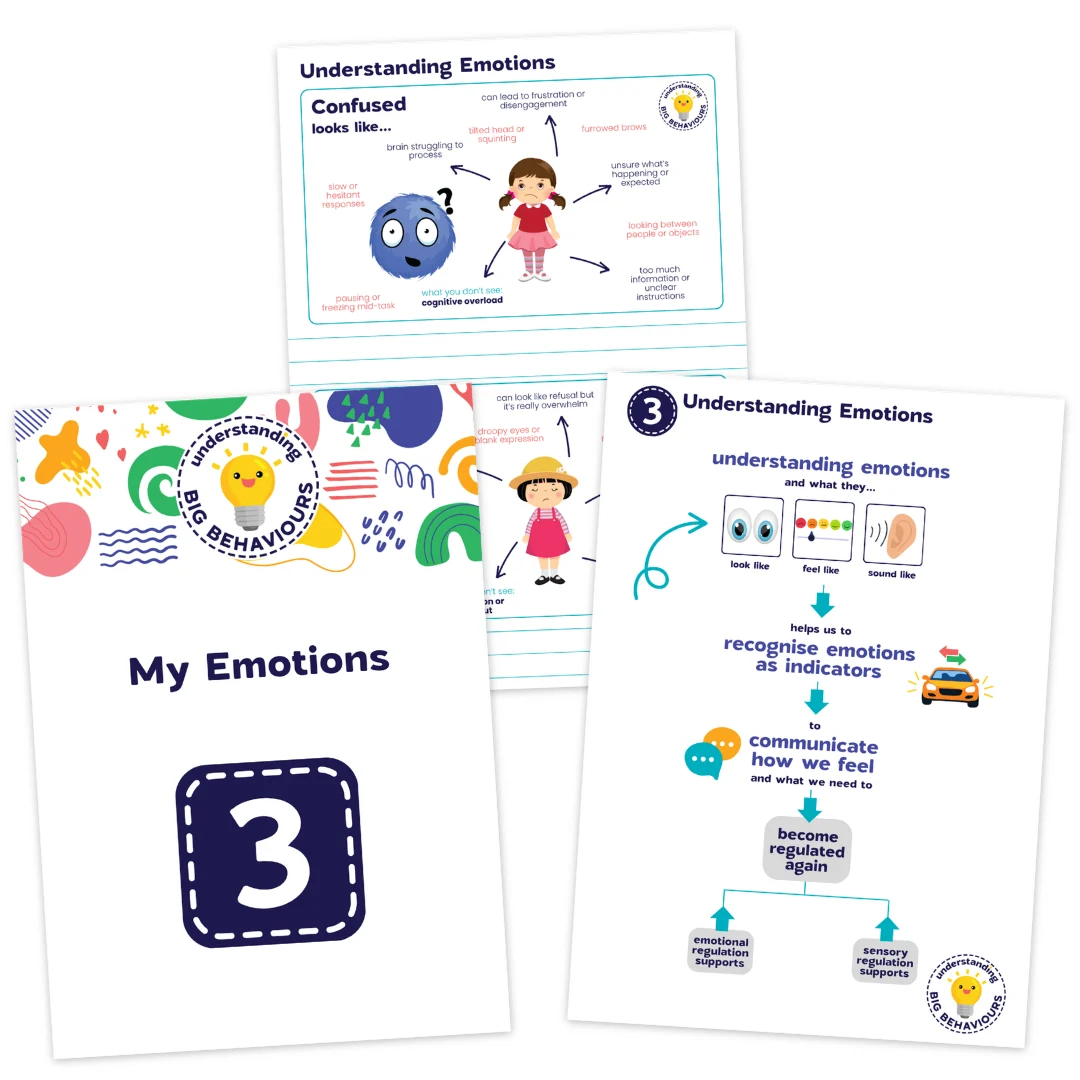
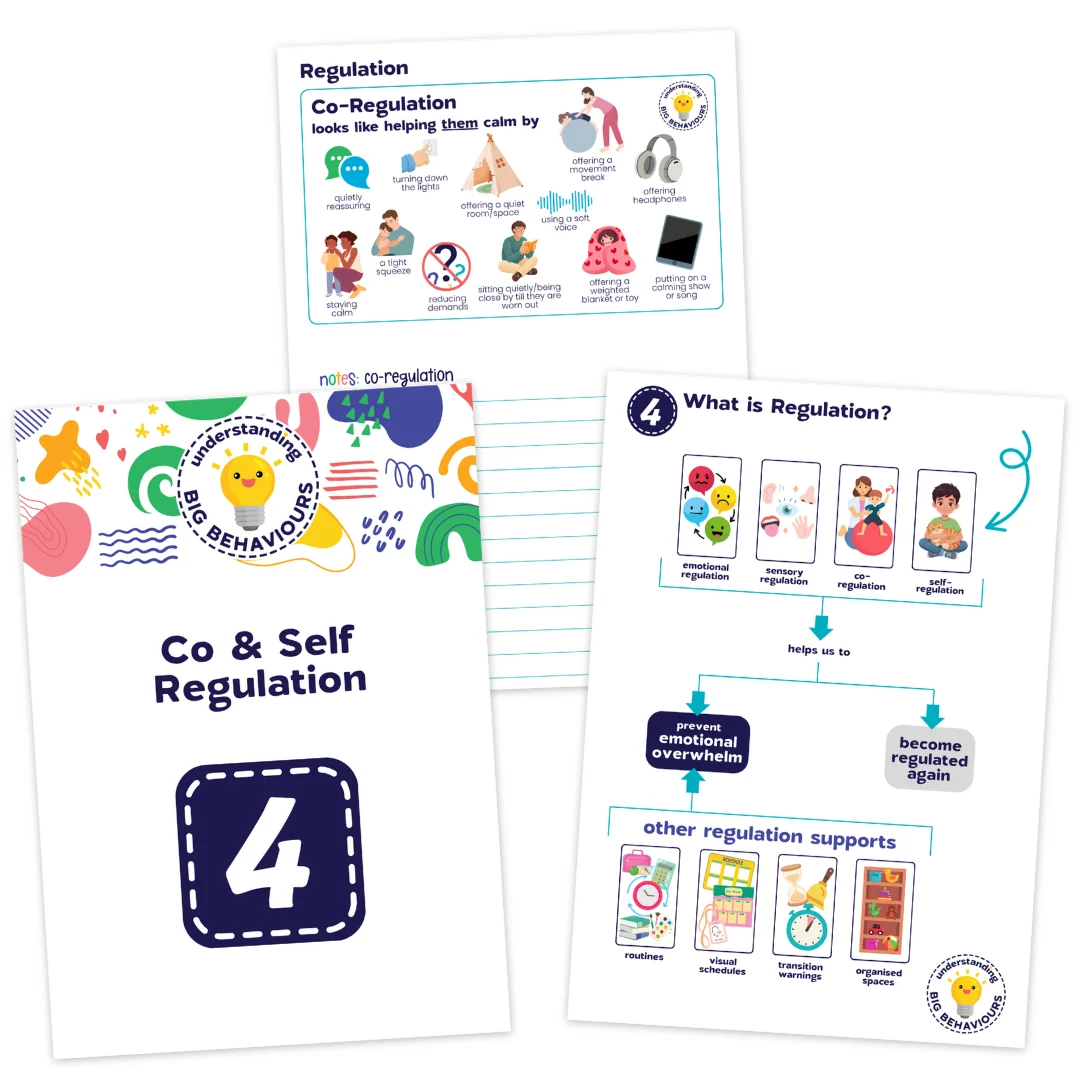
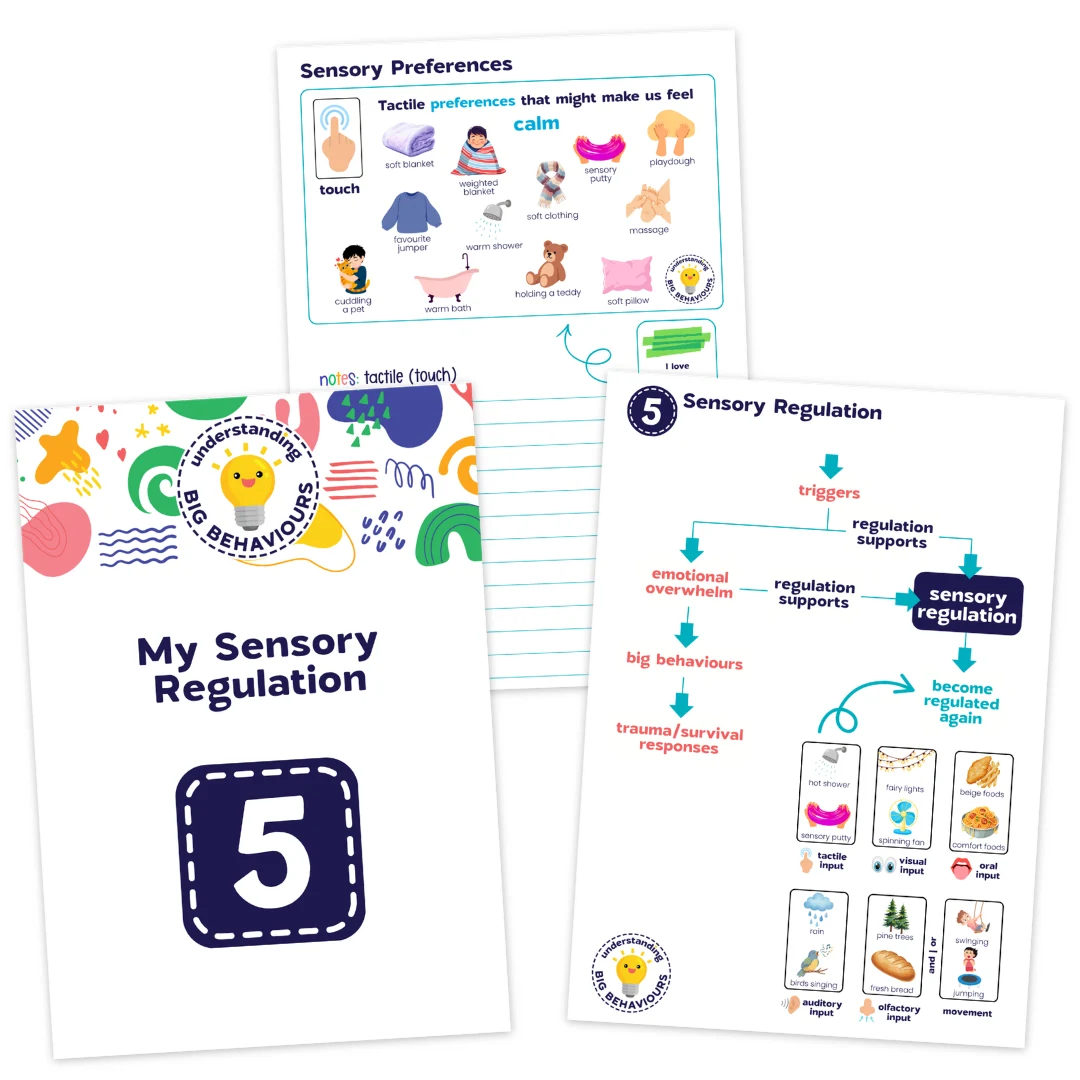
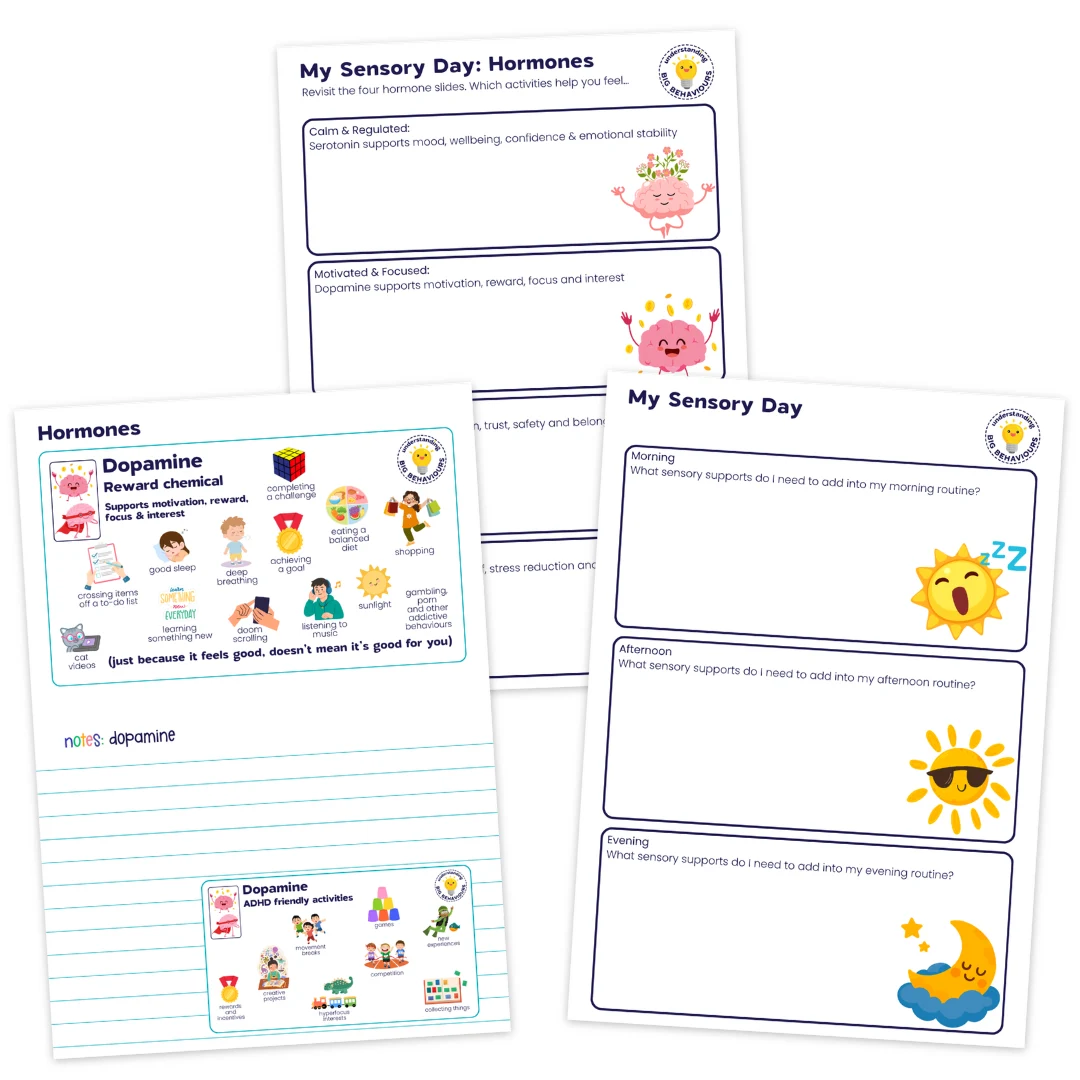
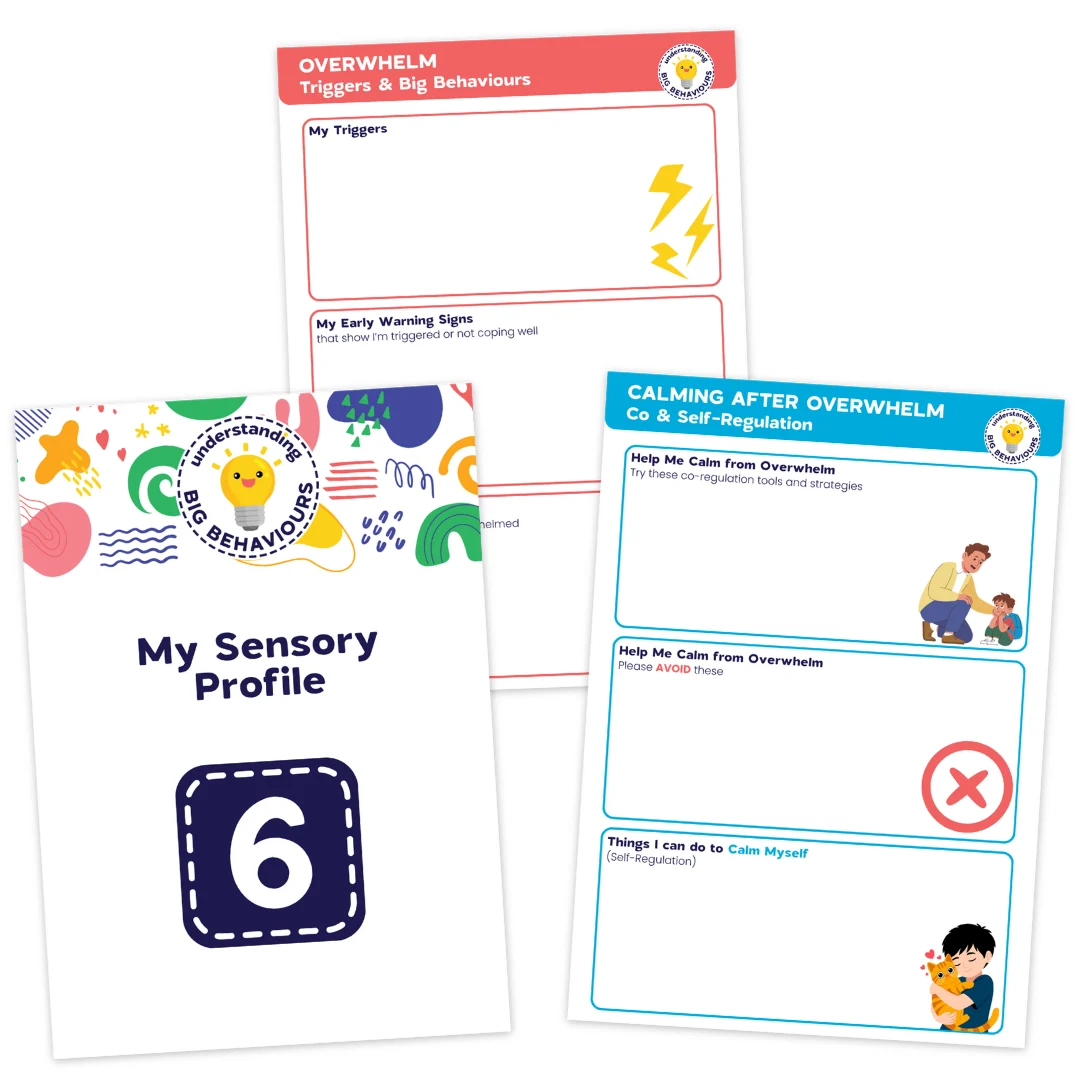
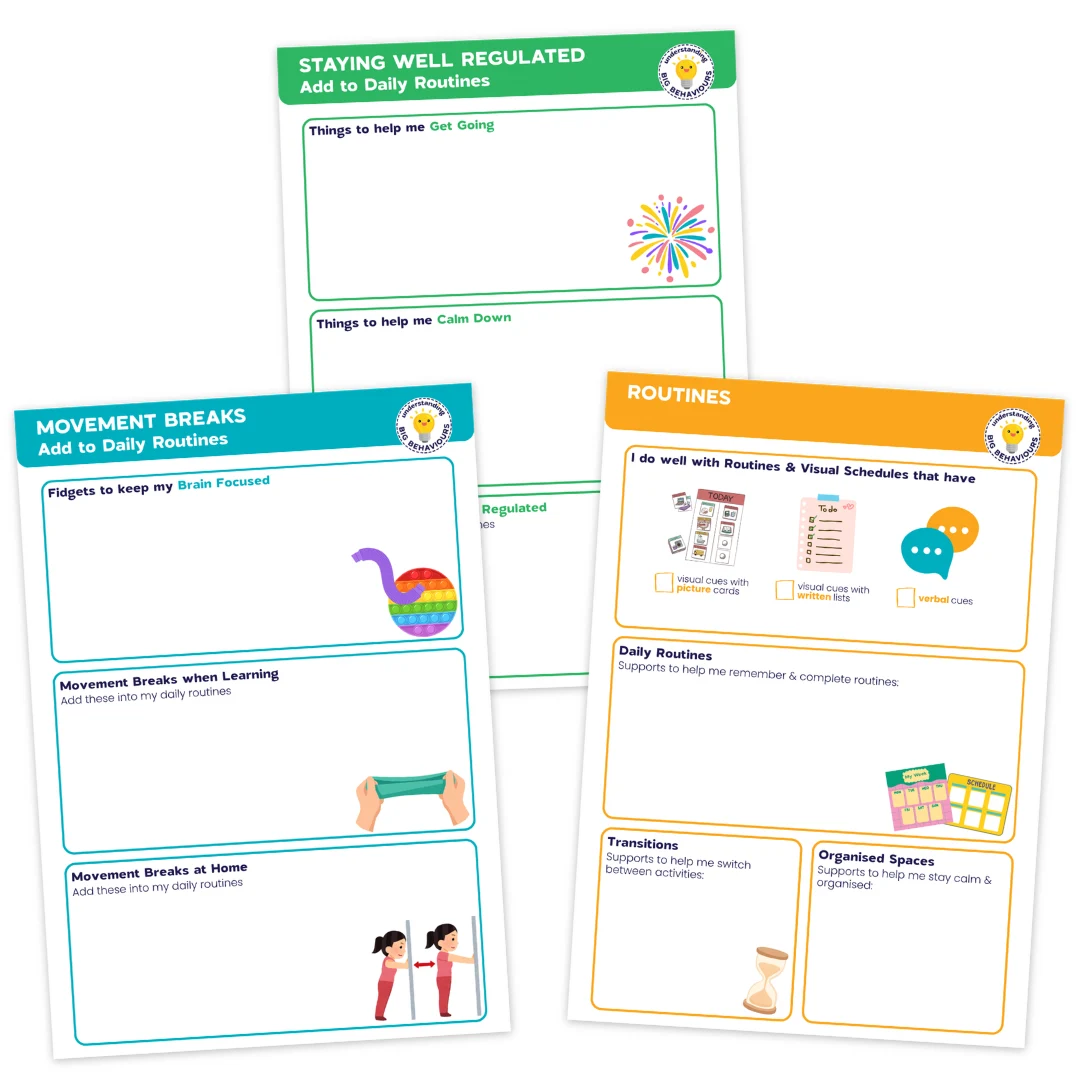
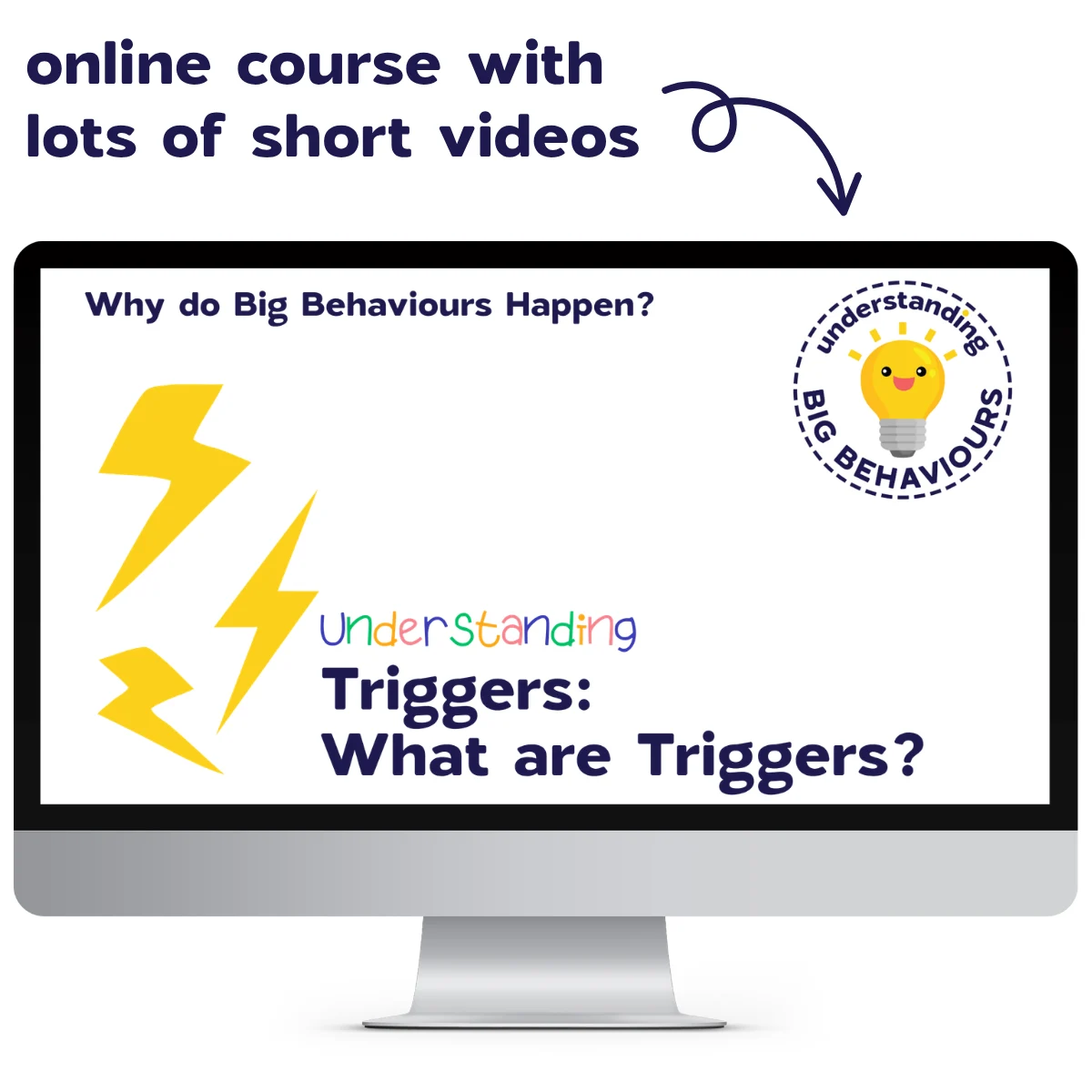
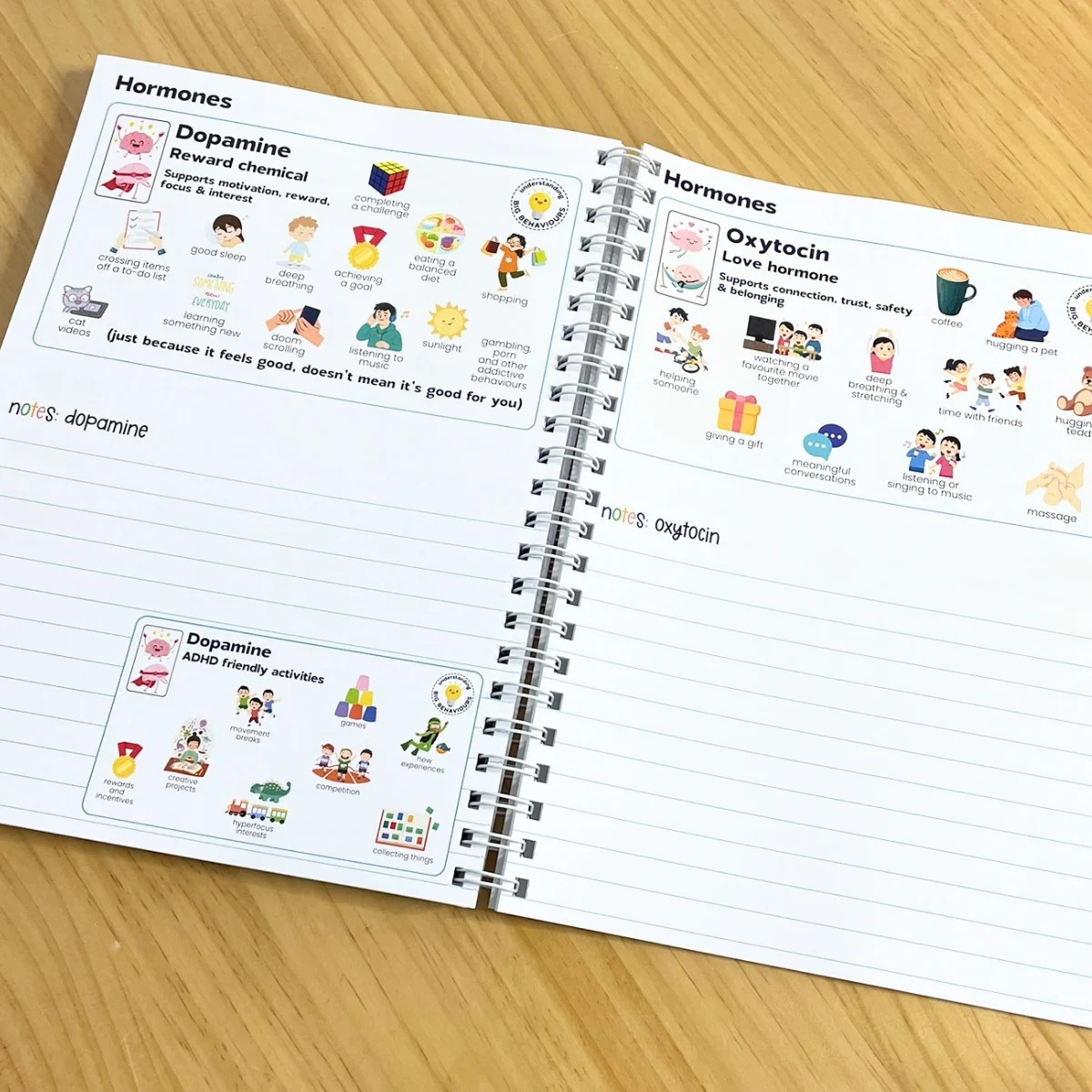
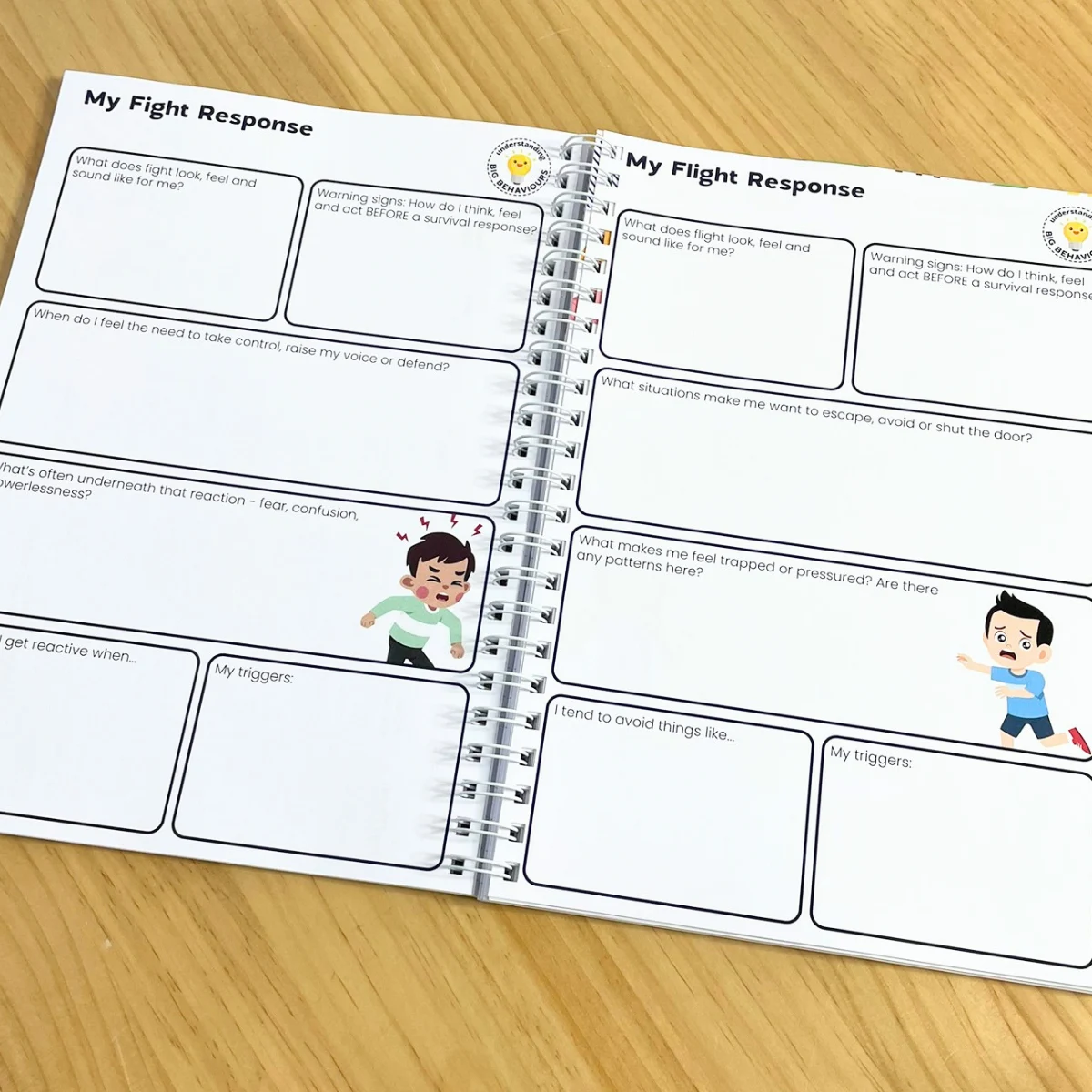
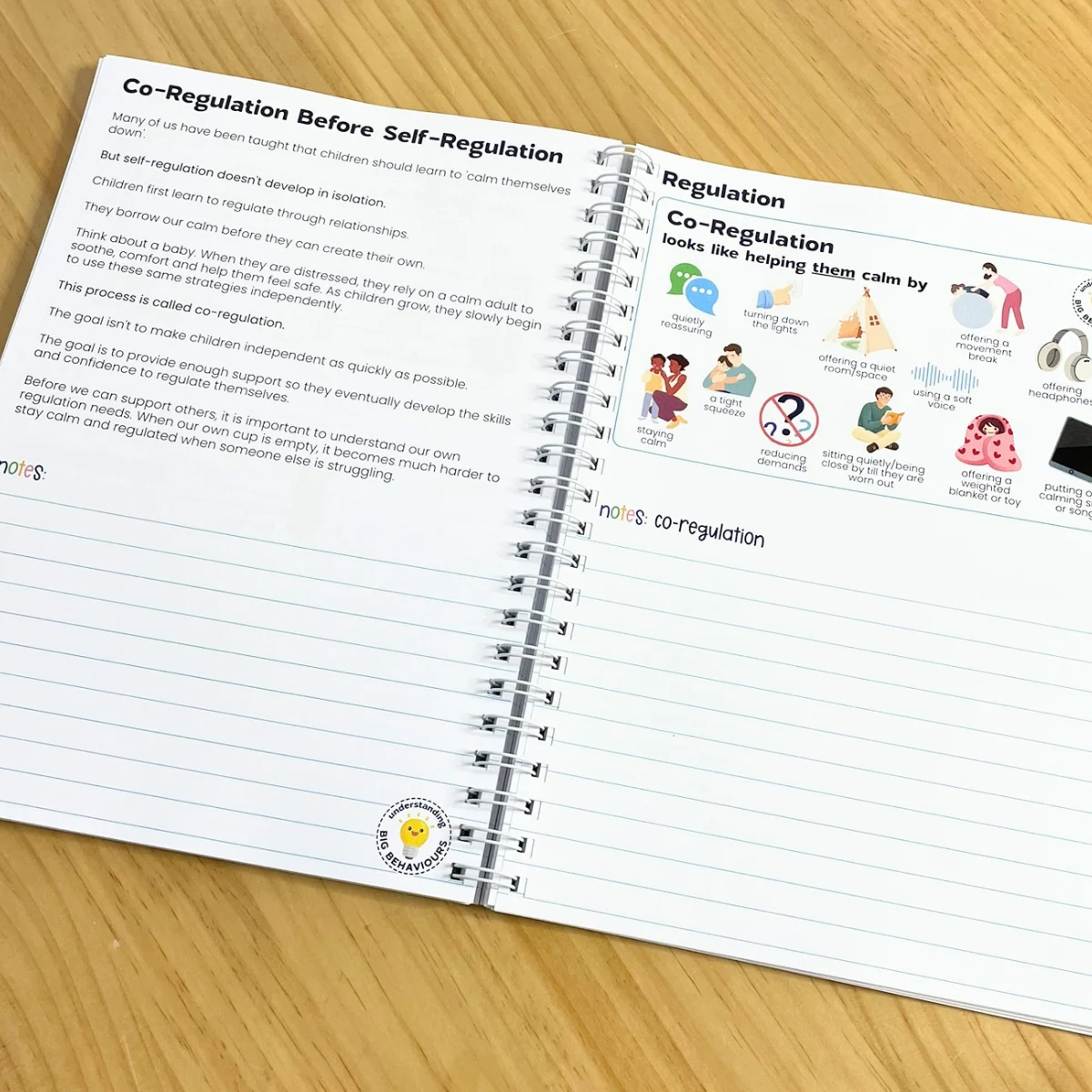
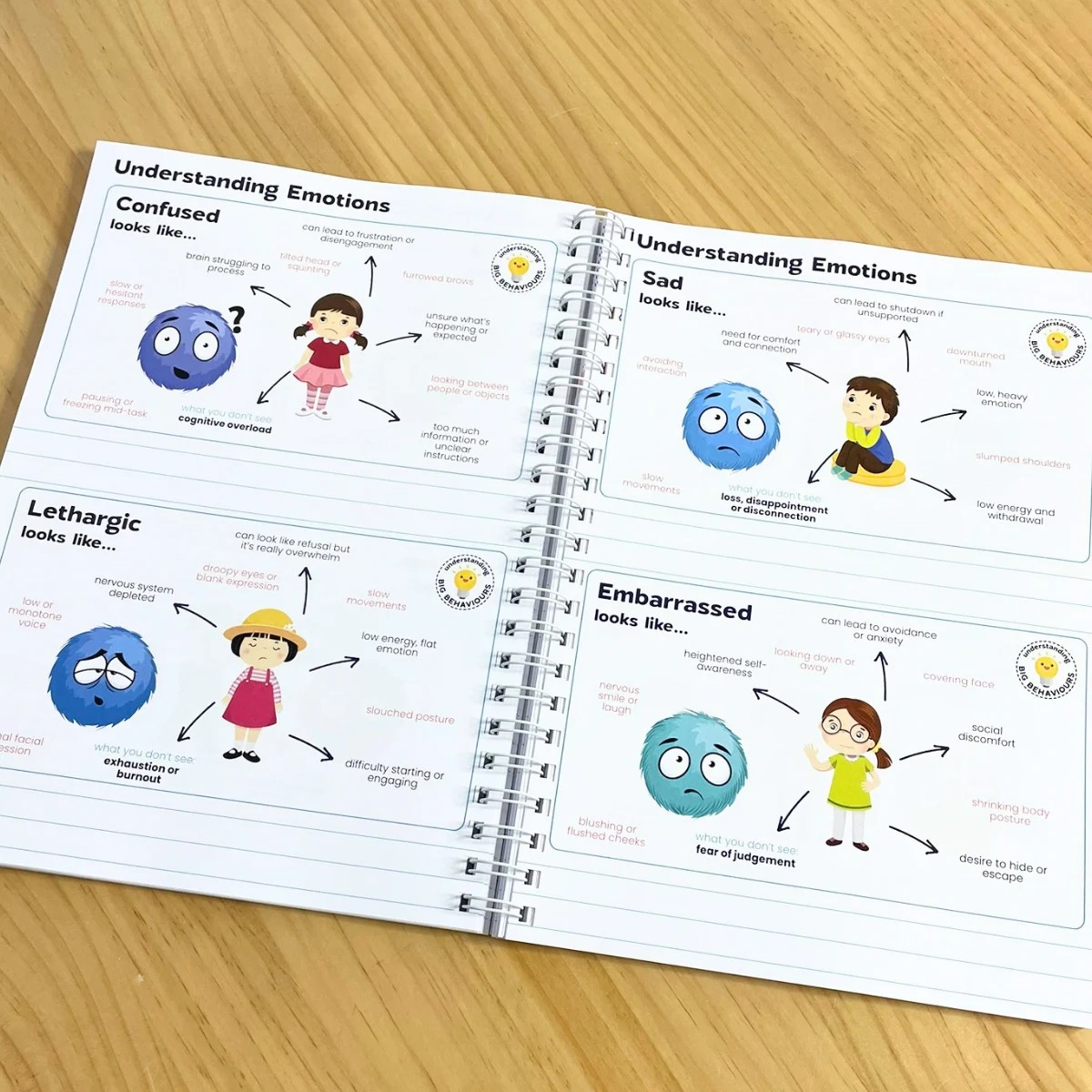
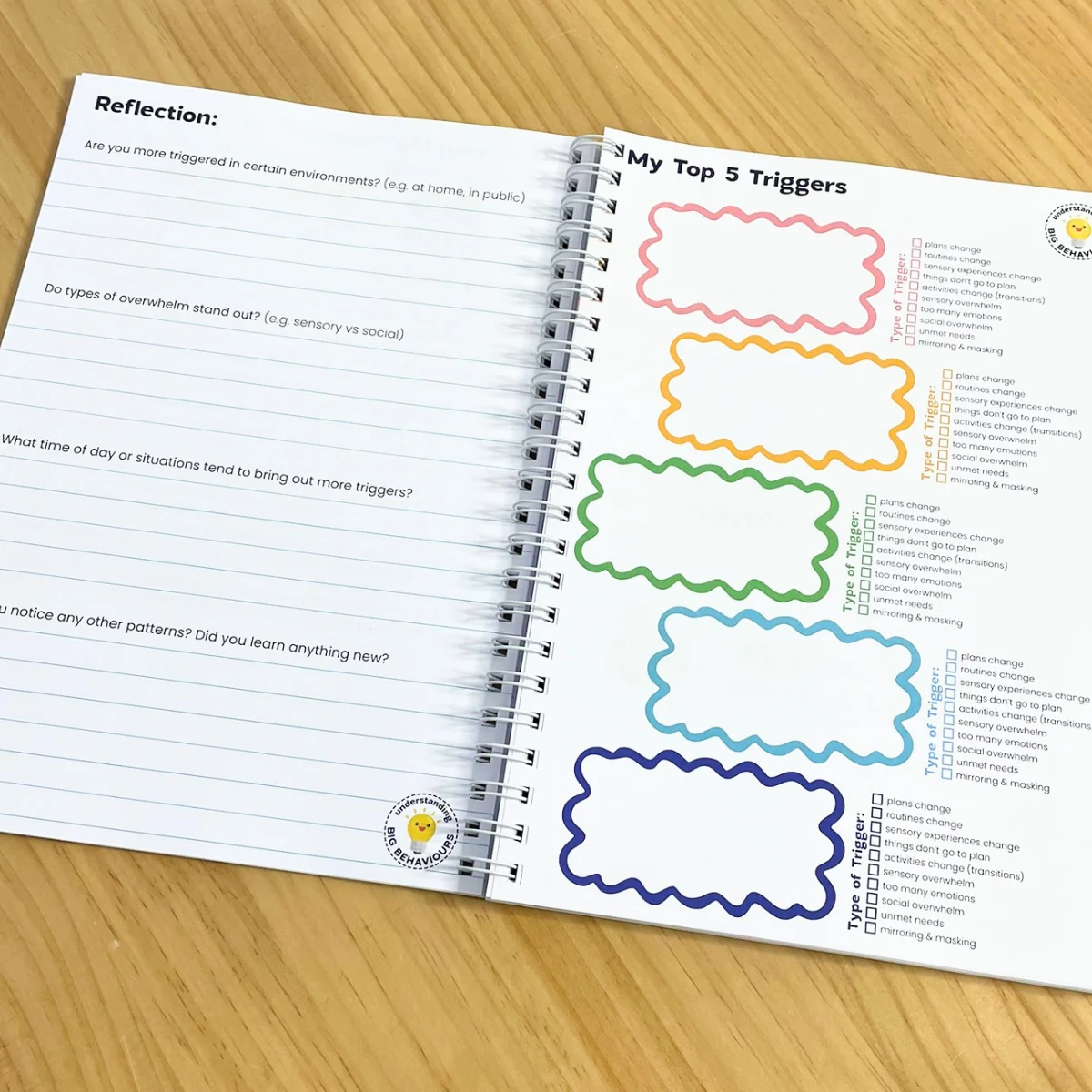
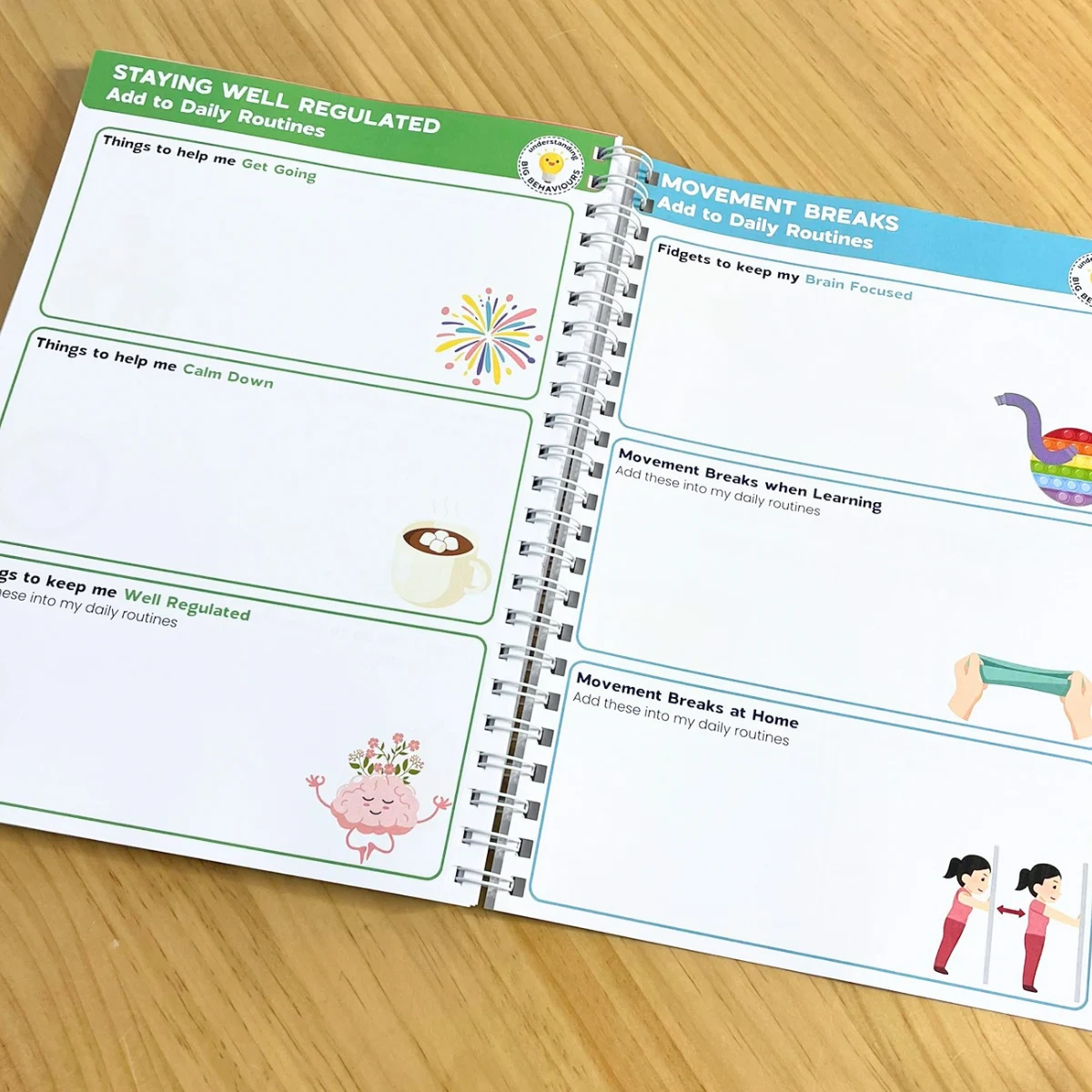
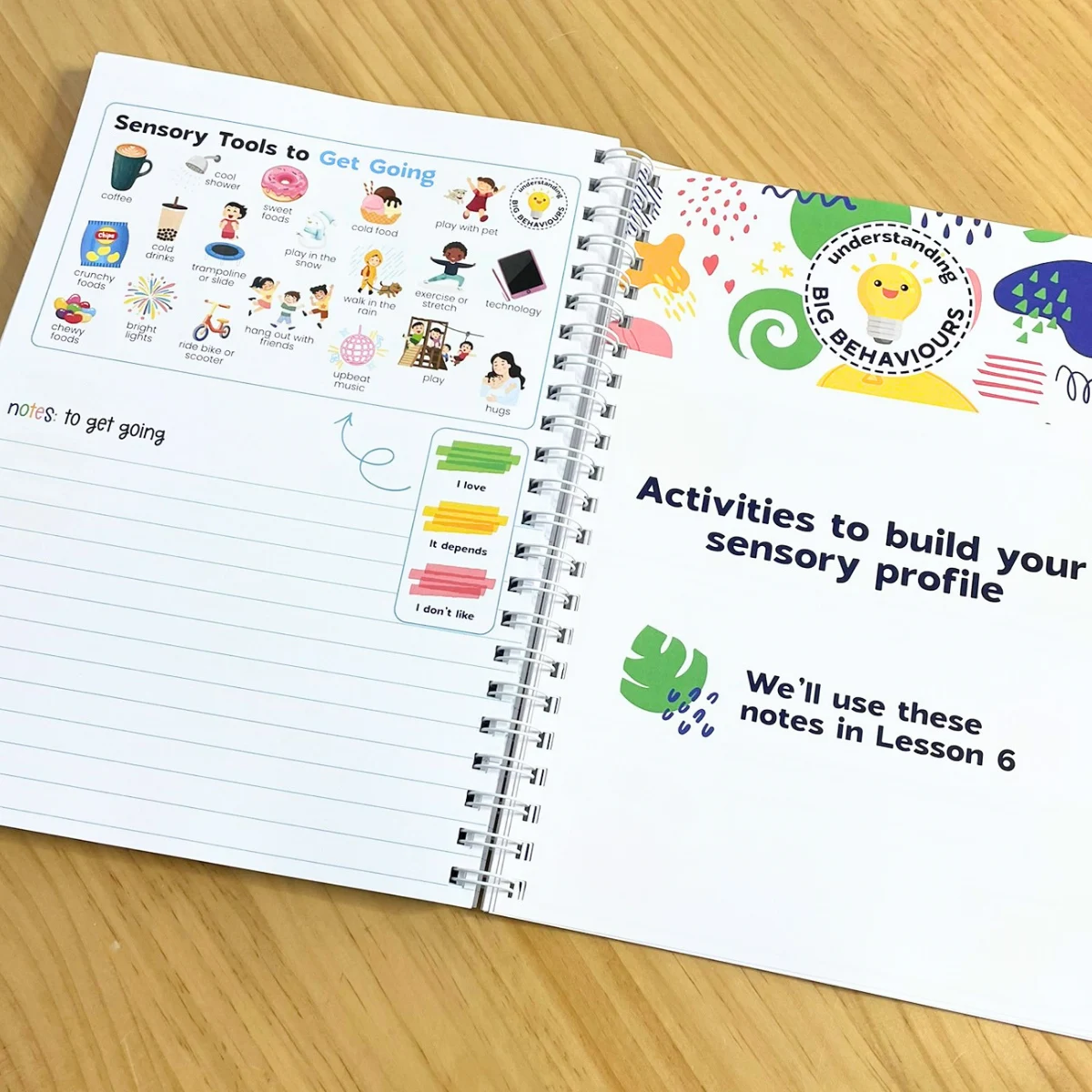
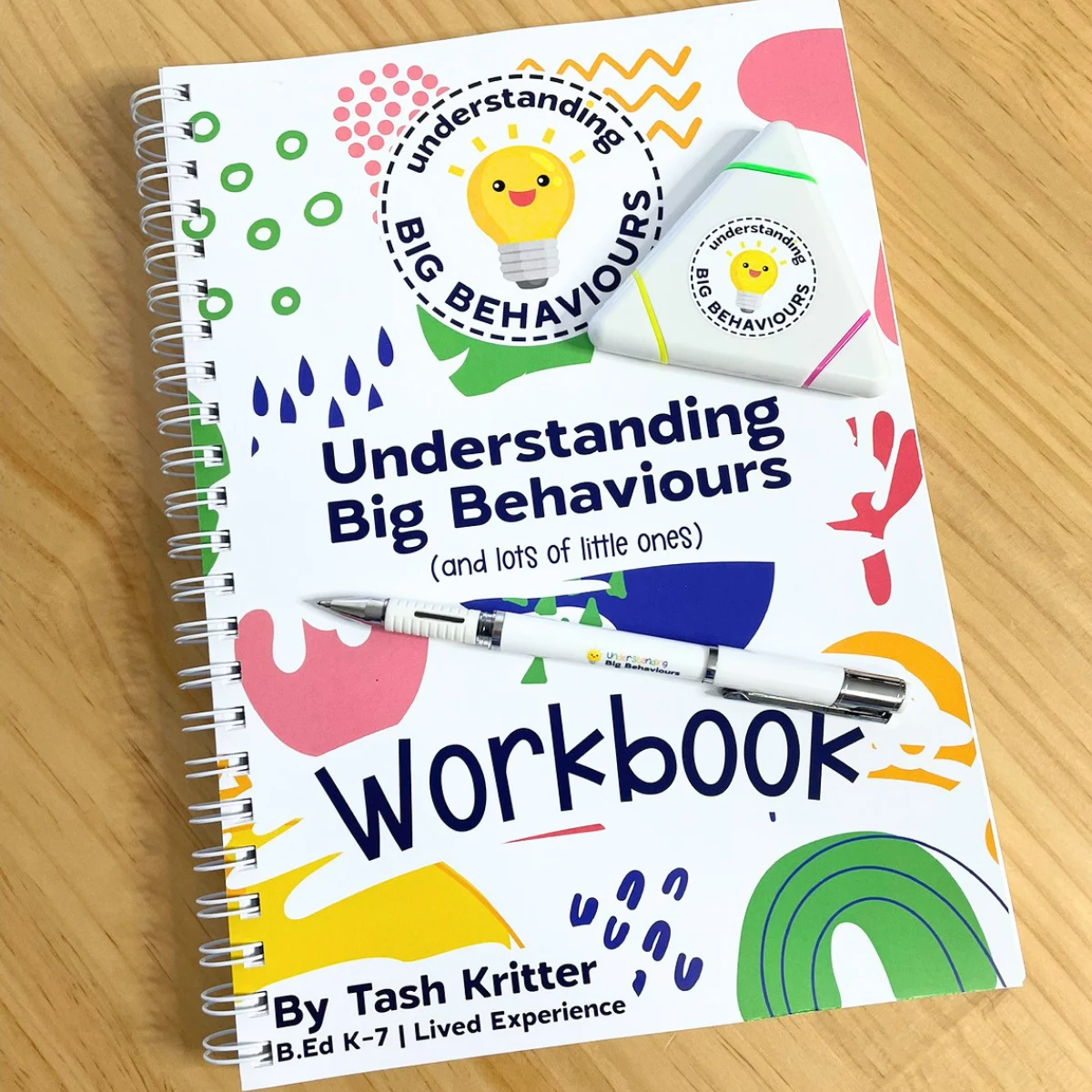
We know that, as teachers and therapists, you’ve probably already completed plenty of professional learning on behaviour, emotional regulation and sensory regulation.
Big Behaviours is different.
Our course and accompanying workbook take you step by step through the different layers that can affect and impact behaviour, building your understanding as you go.
But importantly, you work through the activities for yourself first.
By exploring your own emotions, sensory profile, triggers, regulation needs and responses, you begin to understand what these experiences actually feel like, not just what they look like from the outside.
From there, we turn the focus to the children and young people in your care.
The result is more than another set of behaviour strategies. It’s a deeper level of understanding, care and empathy for the individual behind the behaviour, and practical tools to help you work out what they may be communicating and what they need from you next.
What You Get:
- Self-paced online course
- Digital workbook
- Digital printable activities, resources & sensory profile (print additional copies for multiple children)
- 365 day course access
pilot reviews
how the workbook is structured:
This workbook has been designed to follow alongside the course videos, helping you put the concepts into practice as you learn. Rather than jumping straight to strategies, we’ll work through each layer of understanding so you can identify why behaviours are happening before deciding what to do next.
We’ll begin by identifying triggers and recognising the sensory, emotional and environmental factors that may be contributing to overwhelm. From there, you’ll learn to notice patterns between triggers, emotions and behaviours, building personalised sensory profiles for yourself first, and then for your child, student or client.
As you work through the workbook, you’ll begin to see emotions as important indicators rather than problems to fix. They help us recognise how we’re feeling, communicate what we need, and identify the supports that help us return to a calm and regulated state.
Finally, we’ll bring everything together by developing proactive sensory and emotional regulation strategies. The focus is on putting supports in place before we reach overwhelm. This includes creating predictable routines, supporting transitions, using visual schedules, organising environments, and building everyday strategies that promote safety, connection and emotional regulation.
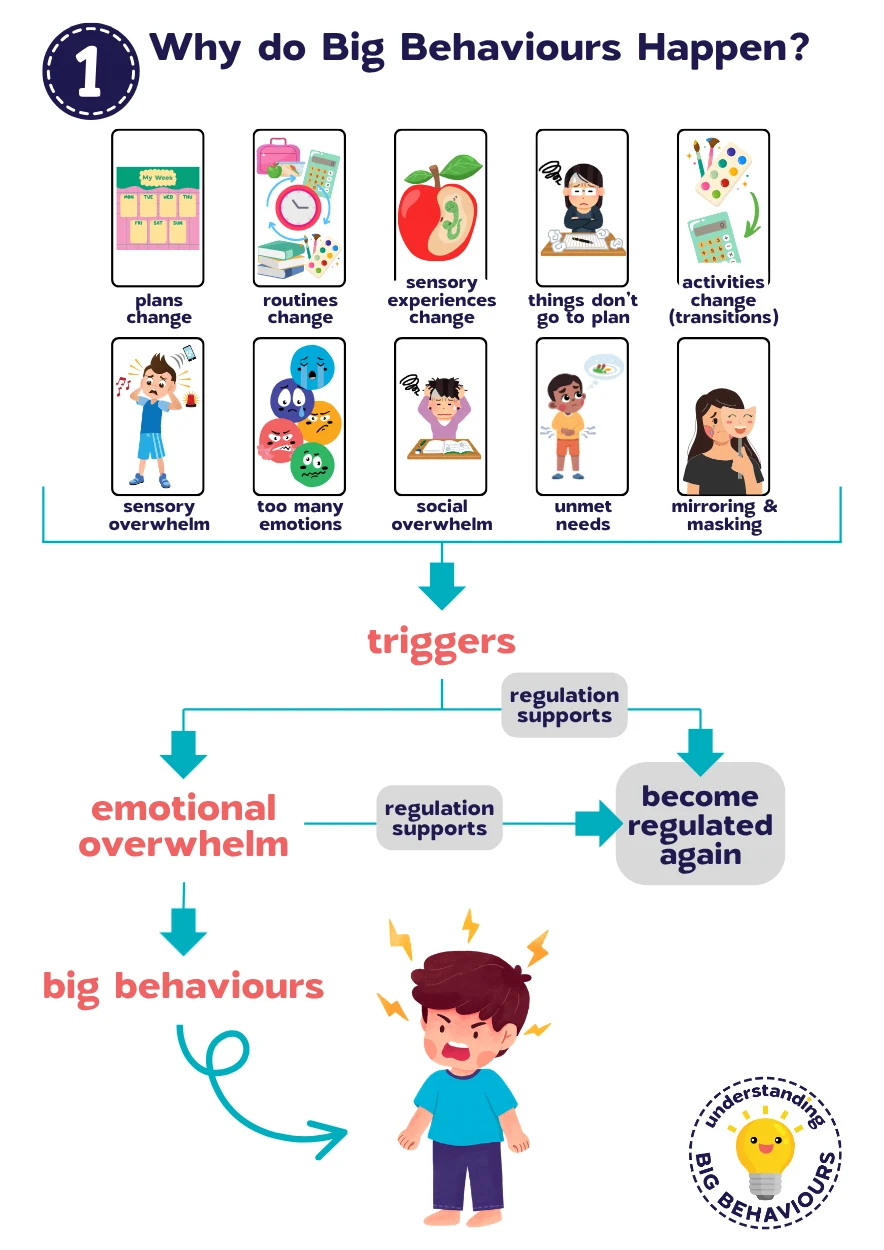
Lesson 1: Why do Big Behaviours Happen?
Topics
- Triggers
- Iceberg Model
- Internal Expectations
- Sensory Overwhelm
- Too Many Emotions
- Social Overwhelm
- Unmet Needs (Maslow 1943)
- Mirroring & Masking
- Emotional Overwhelm
- Big Behaviours
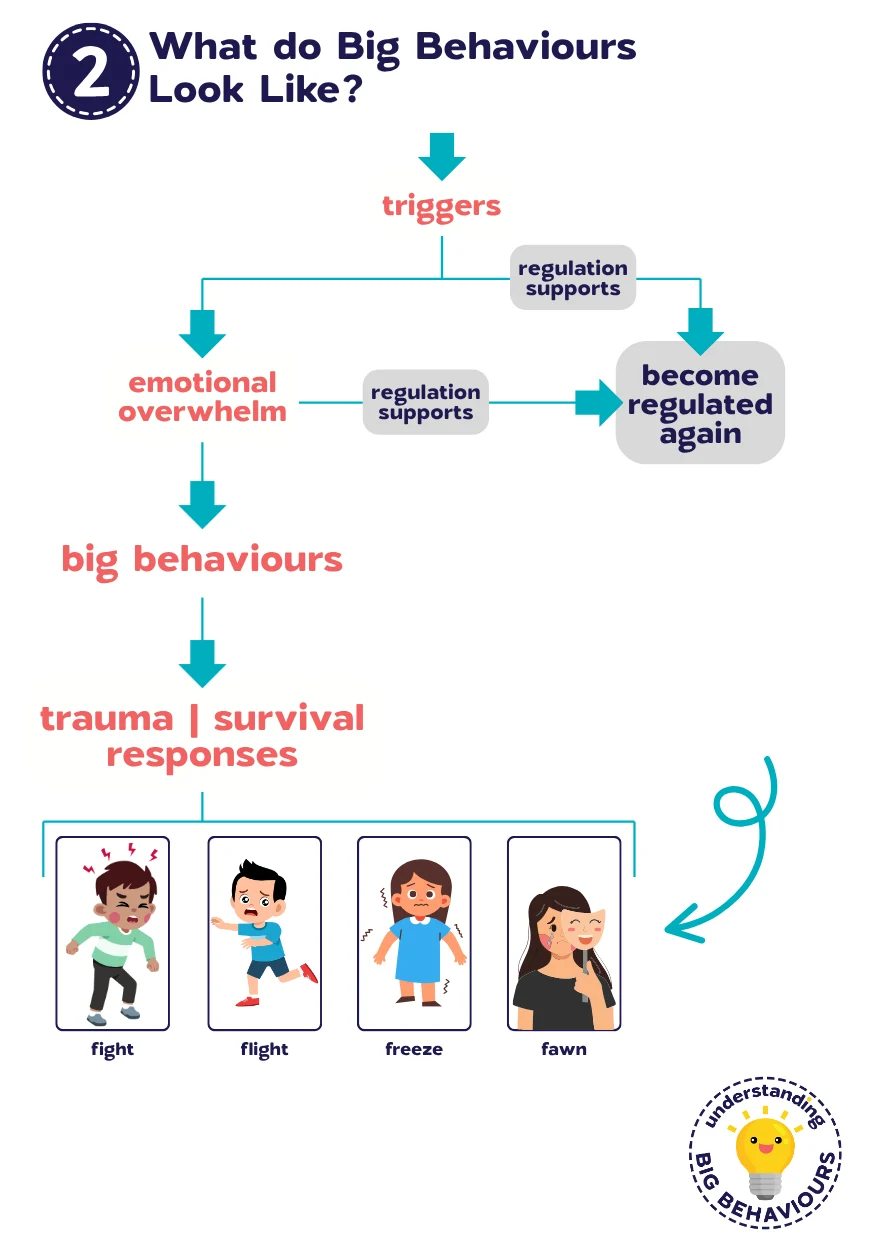
Lesson 2: What do Big Behaviours Look Like?
Topics
- Survival & Trauma Responses
- Fight | Meltdowns
- Meltdowns vs Tantrums
- Flight | Running Away
- Freeze | Shutdowns
- Fawn | Mirroring & Masking to survive
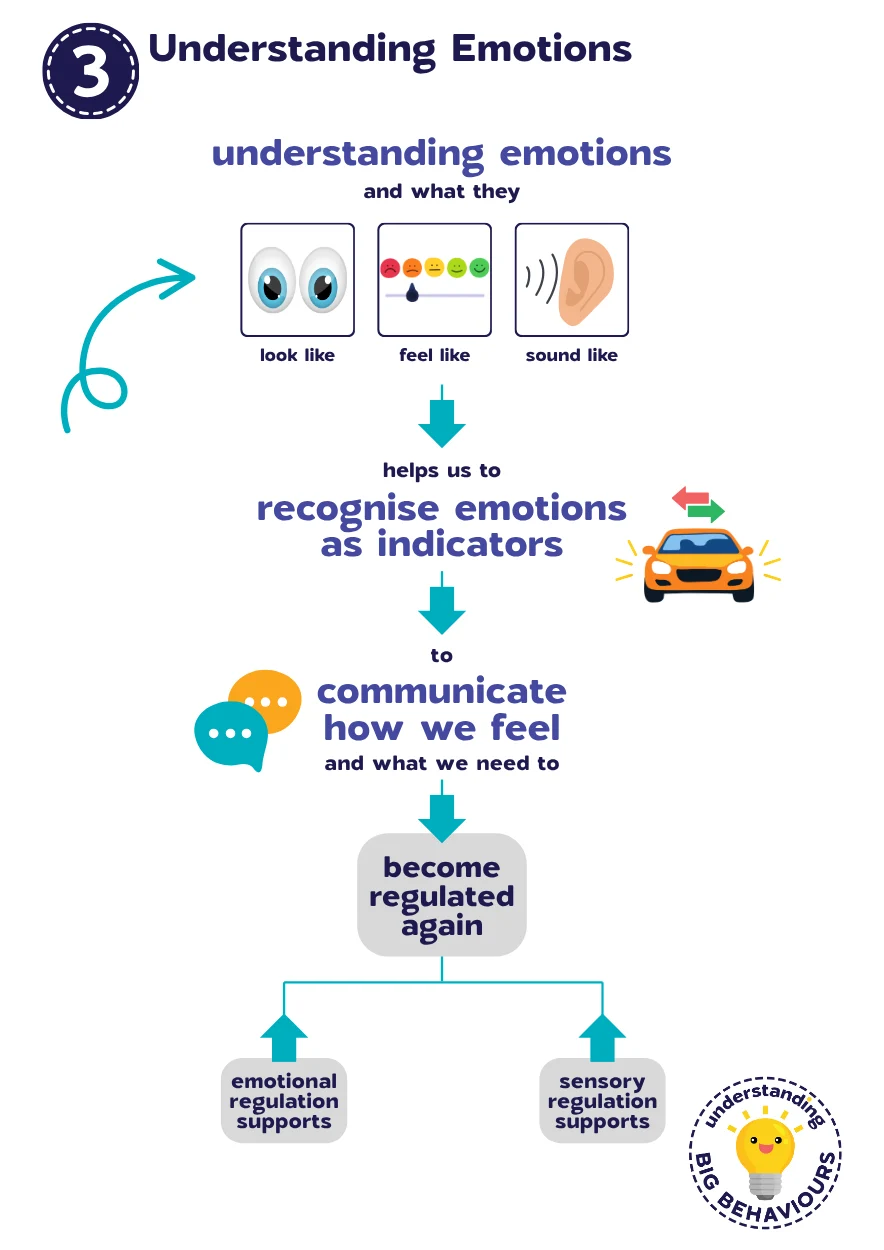
Lesson 3: Understanding Emotions
Topics
- How emotions look, feel & sound
- Recognise emotions as indicators to identify and communicate how we feel, and what we need to become regulated again
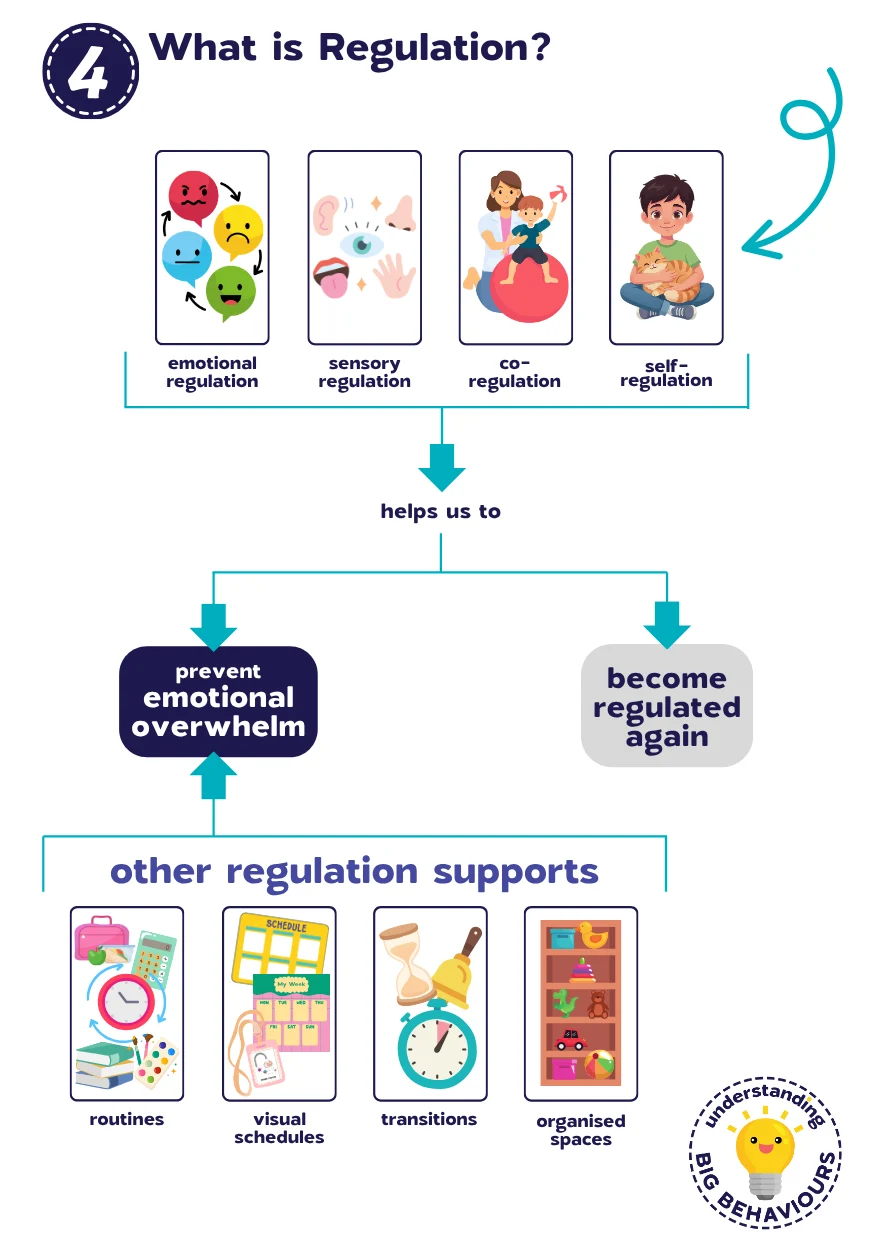
Lesson 4: What is Regulation?
Topics
- Emotional Regulation
- Sensory Regulation
- Co-Regulation
- Self-Regulation
- Preventing Emotional Overwhelm
- Routines & Visual Schedules
- Transitions
- Organised Spaces
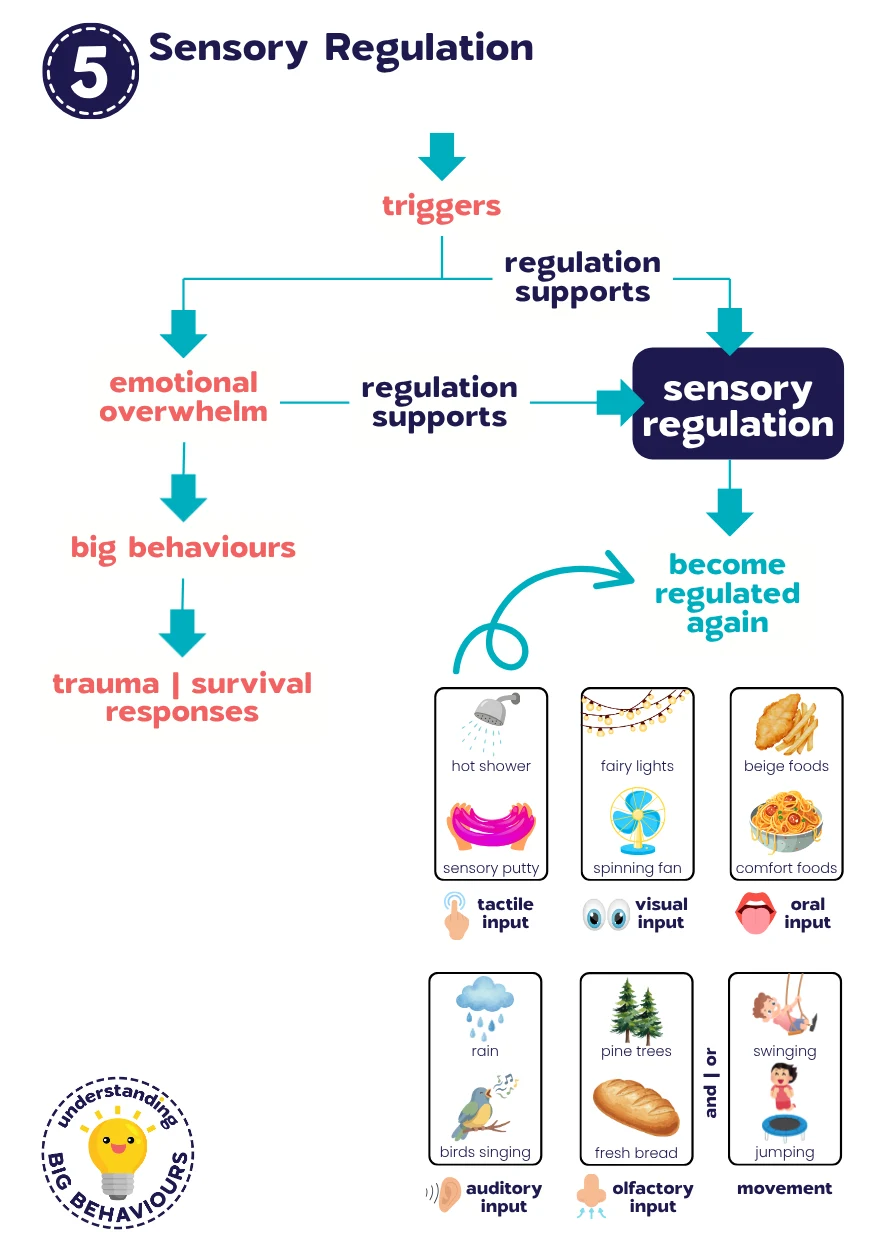
Lesson 5: Sensory Regulation
Topics
- Sensory Preferences & Regulation Supports
- Tactile | Touch
- Visual | Sight
- Oral | Taste
- Auditory | Sound
- Olfactory | Smell
- Proprioception | Movement
- Vestibular | Balance
- Hormones & ADHD
- Things to Get Going
- Things to Calm Down
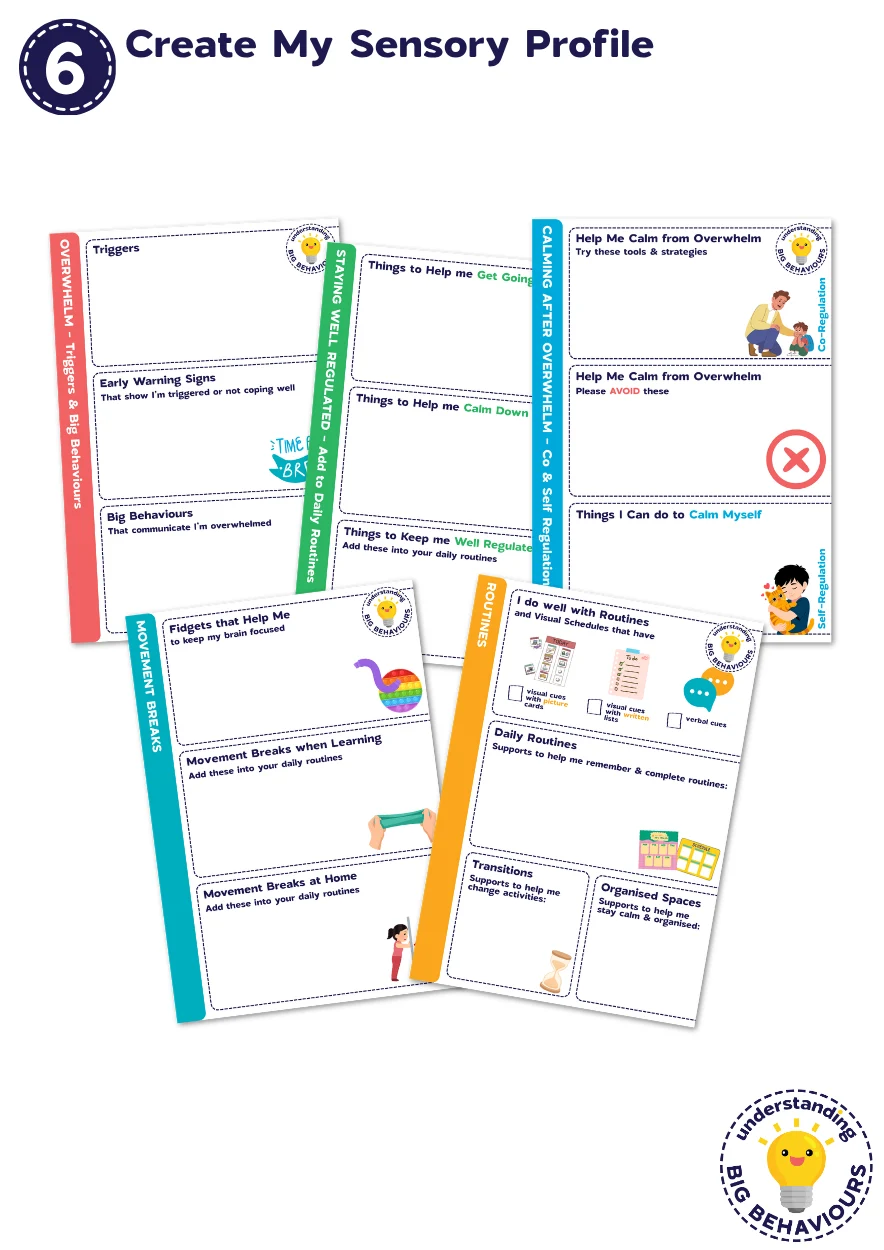
Lesson 6: Build Your Sensory Profile
Let's Build!
- Use the workbook activities completed in each lesson to build your own sensory profile
- When we understand our own sensory needs, we are in a much better position to understand the needs of the children and people in our care; this is why you build your own sensory profile first
Lesson 7: Build Their Sensory Profile
Let's Build!
- Use the workbook activities completed in each lesson to build a sensory profile for someone in your care
- If you are supporting more than one child, client or student, simply print additional copies from the included digital resources.
Big Behaviours Multi Licence
Training for schools, therapy practices and organisations
When a child is displaying big behaviours, it can be easy to focus on stopping the behaviour.
But what if we first asked: What is this behaviour communicating?
The Understanding Big Behaviours course & workbook helps teachers, therapists and other professionals look beyond what they can see on the surface and develop a greater understanding of what may be happening underneath.
Big behaviours can be influenced by emotional regulation, sensory input, communication, executive functioning, transitions, expectations, overwhelm and a child's individual needs.
Understanding these factors can completely change the way we respond.
Rather than simply reacting to behaviour, your team can begin to recognise triggers, identify patterns and put practical supports in place to help children feel safe, understood and better able to regulate.
Designed for real classrooms and therapy settings
This isn't about giving your team another pile of theory to work through.
Big Behaviours focuses on practical, easy-to-understand information and strategies that can be applied in everyday situations.
The training and resources can help your team:
- Look beyond the behaviour to consider what a child may be communicating
- Better understand emotional regulation and sensory needs
- Recognise triggers and patterns before behaviour escalates
- Develop individual sensory profiles and identify what helps a child regulate
- Use visual supports and routines to reduce overwhelm and support transitions
- Understand why some everyday tasks can be significantly more difficult for children with Autism and ADHD
- Use movement and sensory breaks proactively rather than treating them as rewards
- Develop practical strategies that can be used across classrooms, therapy sessions and other support environments
- Create calmer, more supportive and emotionally regulated relationships with the children in their care
Create greater consistency across your team
Children don't experience their needs in isolation.
A child may move between their classroom teacher, education assistants, therapists and other support staff throughout their week.
When the adults around them share a greater understanding of behaviour, regulation and sensory needs, it becomes easier to provide consistent, supportive responses.
The Multi Licence allows your organisation to give multiple team members access to the Big Behaviours course, workbook and printable resources, helping you develop a shared approach and a common language around supporting children with big behaviours.
Practical resources your team can actually use
The Big Behaviours approach is designed to move from:
What are we seeing? → What might be happening underneath? → What can we do next?
Training is supported by practical tools and strategies that can be incorporated into your existing classroom or therapy environment.
Because every child is different, the goal isn't to provide a one-size-fits-all behaviour strategy.
It's to help the adults supporting them become more curious about why a behaviour is happening and more confident in working out what that particular child needs next.
Who is the Multi Licence for?
The Multi Licence is ideal for:
Schools and education settings
Teachers, education assistants, learning support staff and other school-based professionals supporting children with diverse needs.
Therapy practices
Occupational therapists, speech pathologists, psychologists, therapy assistants and multidisciplinary teams wanting practical resources and strategies to complement their professional practice.
Support organisations
Teams working directly with children and families who would benefit from a shared understanding of emotional regulation, sensory needs and big behaviours.
Understand the behaviour. Support the child.
Big Behaviours is about creating environments and relationships where children feel safe, understood and supported.
Because when we stop seeing behaviour simply as something that needs to be controlled, we can start asking a much more useful question:
What is this child trying to communicate? And what do they need from us right now?
example course vid
Lesson 1 | Topic 2: Iceberg Model
| License Terms | By purchasing this resource, you agree to the following license terms. This resource may not be: |
|---|---|
| Digital Download Limit | This license includes 3 digital downloads for each of the included resources. |