
Understanding Big Behaviours
where curiosity meets connection
At Understanding Big Behaviours, we believe that every behaviour is a form of communication, no matter how big, loud, quiet or confusing it may seem.
Our course is designed to help you shift from reacting to behaviour to understanding it. When we take the time to ask “What is this behaviour telling me?“ we begin to uncover the unmet needs, sensory experiences and emotional overwhelm behind the behaviour.
It’s in this space, where curiosity meets connection, that we can build loving, emotionally regulated environments where vulnerable children and adults feel truly seen, supported and safe.
Take the next step toward calmer, more connected relationships.
join us
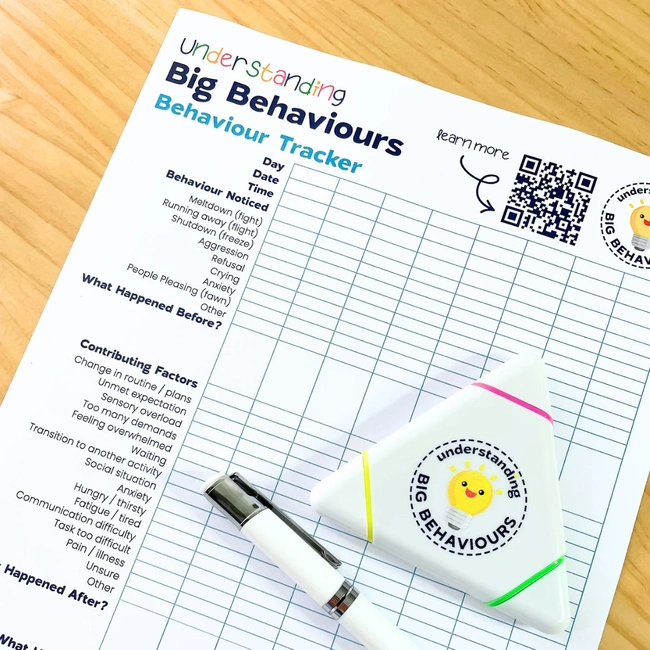
Get your FREE Behaviour Tracker (and get $40 off 🤭) and start noticing patterns in repeated behaviours and possible triggers.
Do they happen at the same time or on the same days?
What happened before the big behaviour or emotional outburst?
What helped to calm them again?
Let’s get curious 👇
pilot reviews
who is this course for?


This neurodiversity-affirming and trauma-informed course is for parents, educators, support workers, carers and allied health professionals who want to feel empowered when supporting neurodivergent children or adults who express themselves through big behaviours.
It’s designed to help you move from confusion or overwhelm to confidence; understanding the meaning behind the behaviour and responding in ways that build trust, regulation and resilience.
what you’ll learn:
Throughout the course, you’ll be supported to:
1. Understand your own sensory and emotional needs: Before we can truly support others, we need to recognise our own sensory and emotional triggers, regulation needs, and behavioural responses. This awareness is the foundation for empathy, connection and effective support.
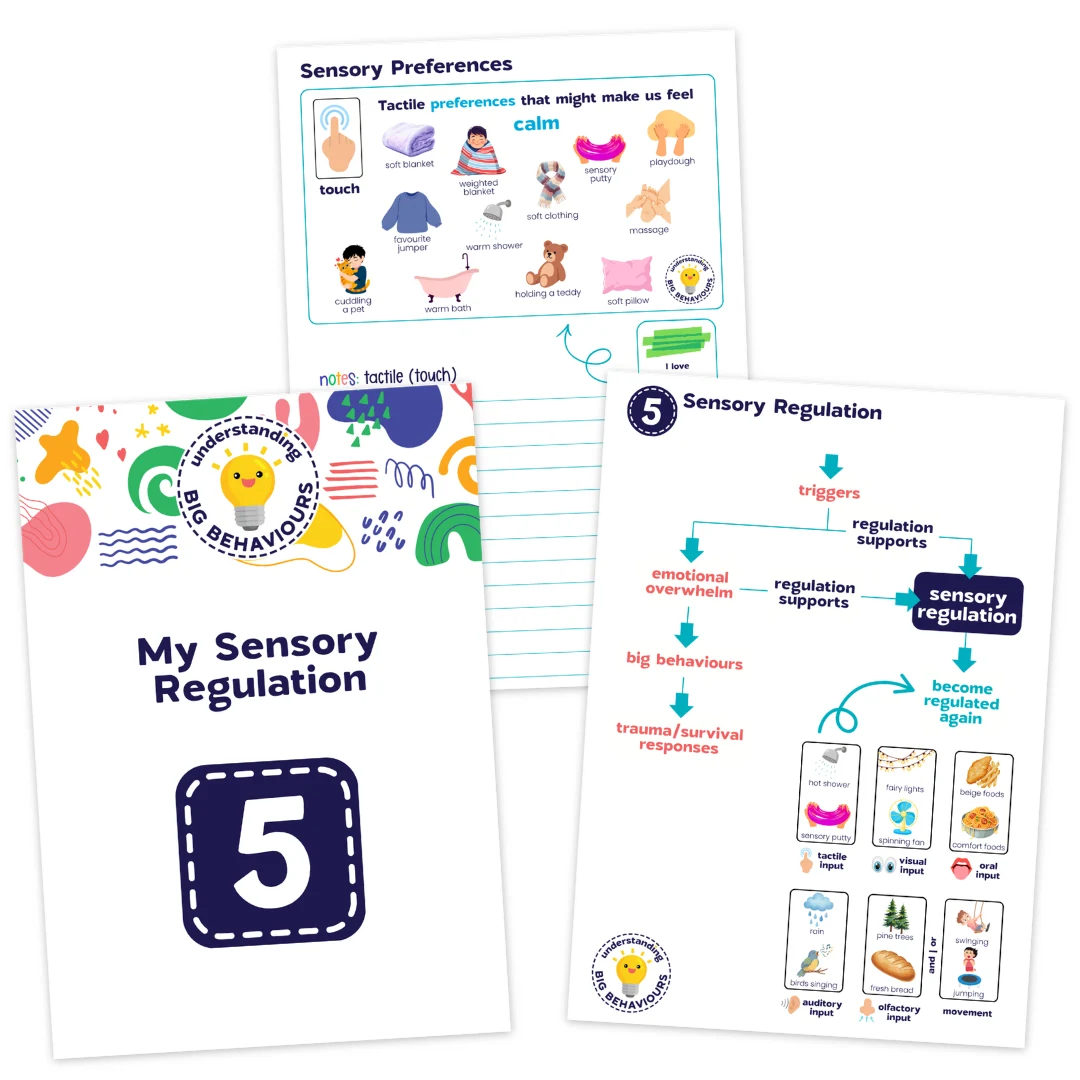
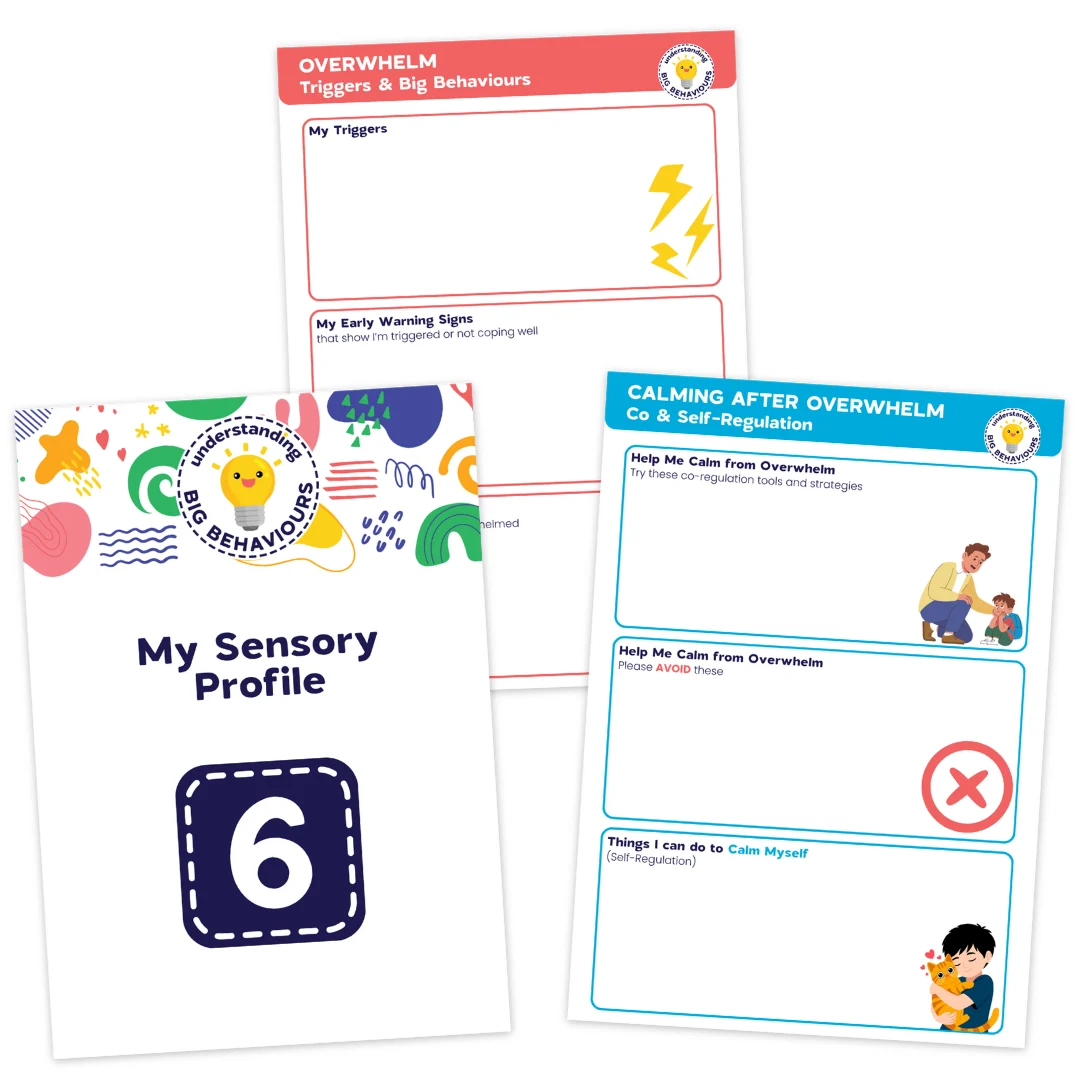
2. Create your personal sensory profile: We’ll guide you step-by-step to build your own profile first, then do the same for the children or adults in your care.
3. Explore practical tools and strategies: Learn neurodiversity-affirming and trauma-informed approaches to emotional regulation, sensory support, self-regulation and co-regulation, so you can respond with confidence and compassion in everyday moments.
course structure:
Each lesson is designed to support different learning styles and includes:
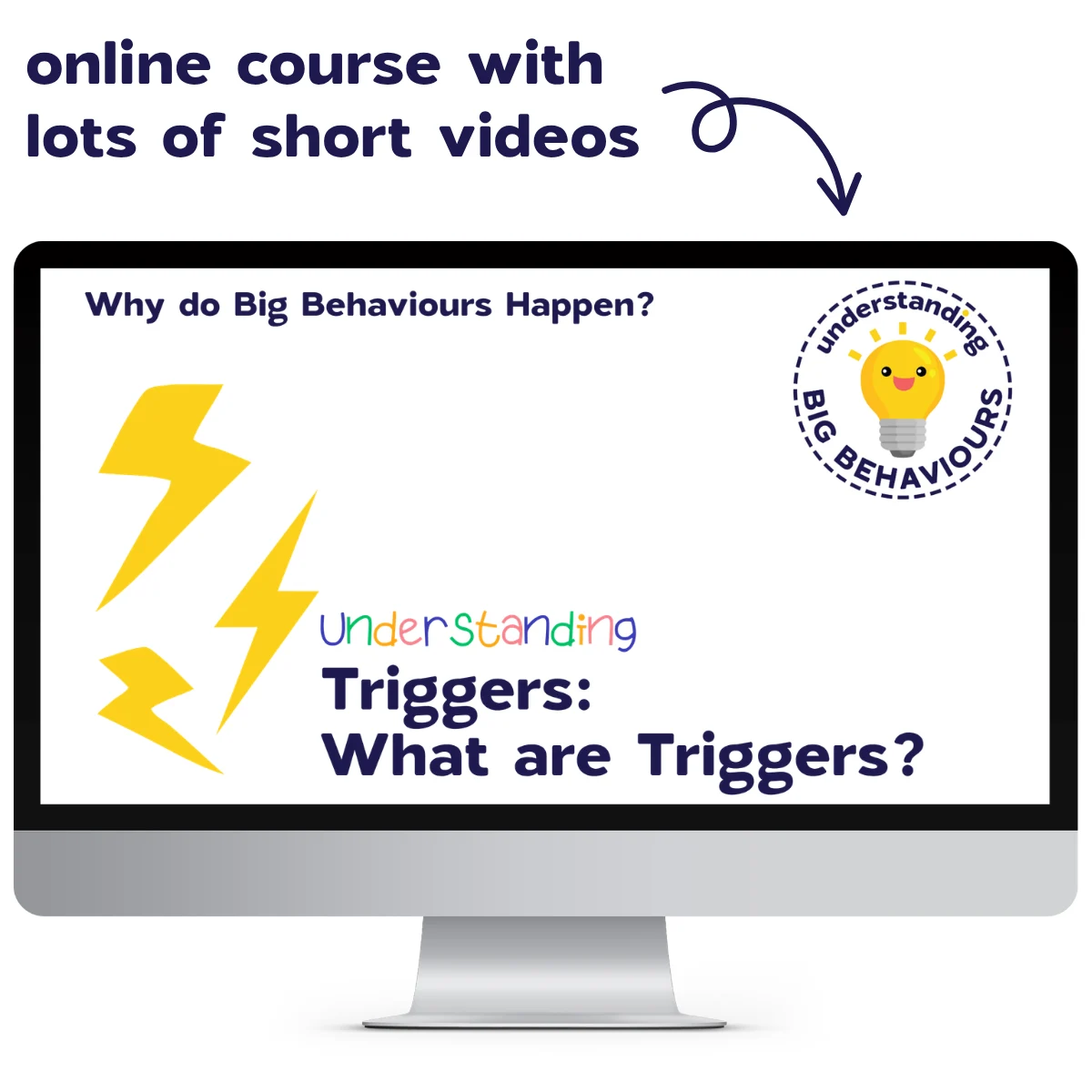
1. Bite-sized video topics (2-4 minutes each) featuring illustrated text, audio, and graphics – ideal for visual and auditory learners.
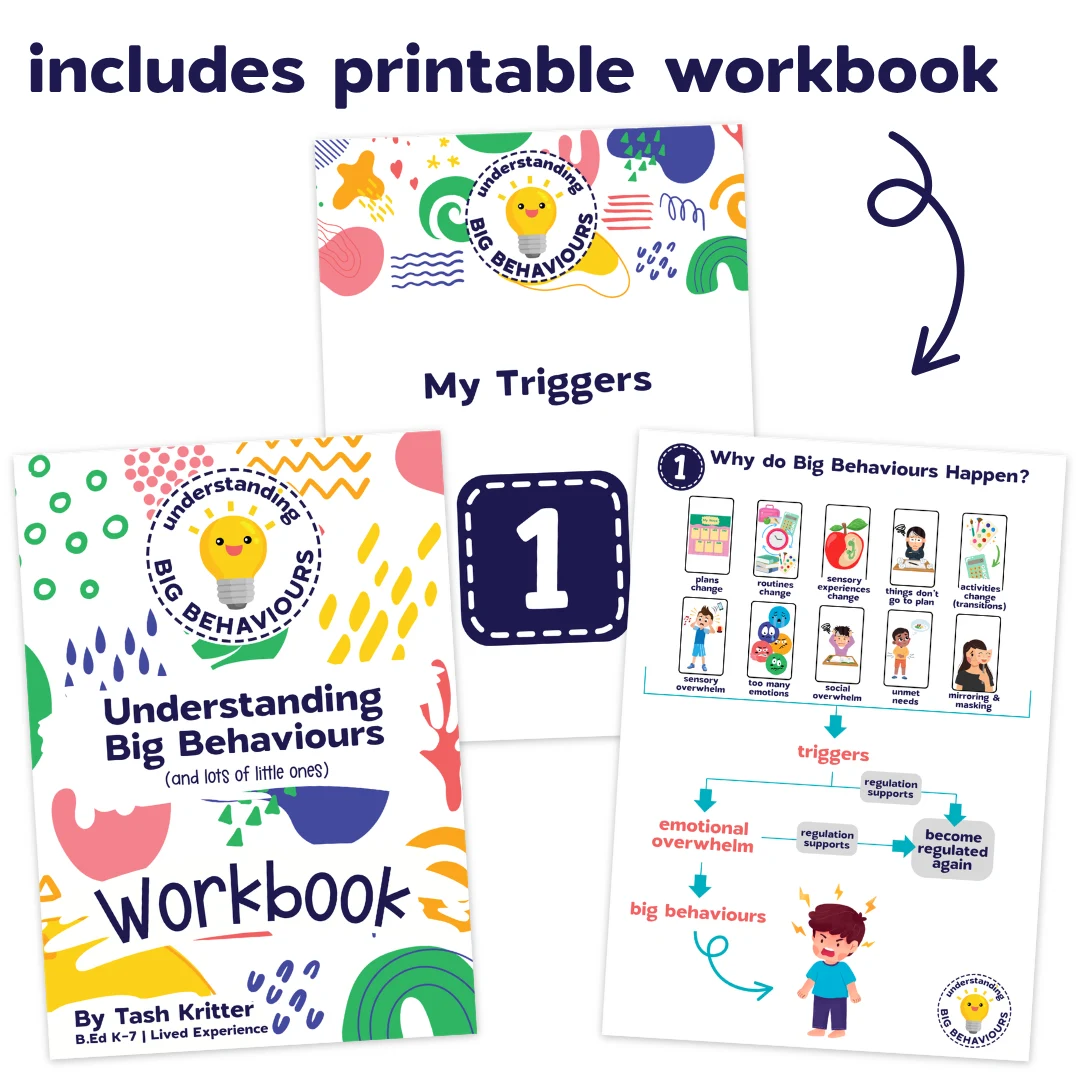
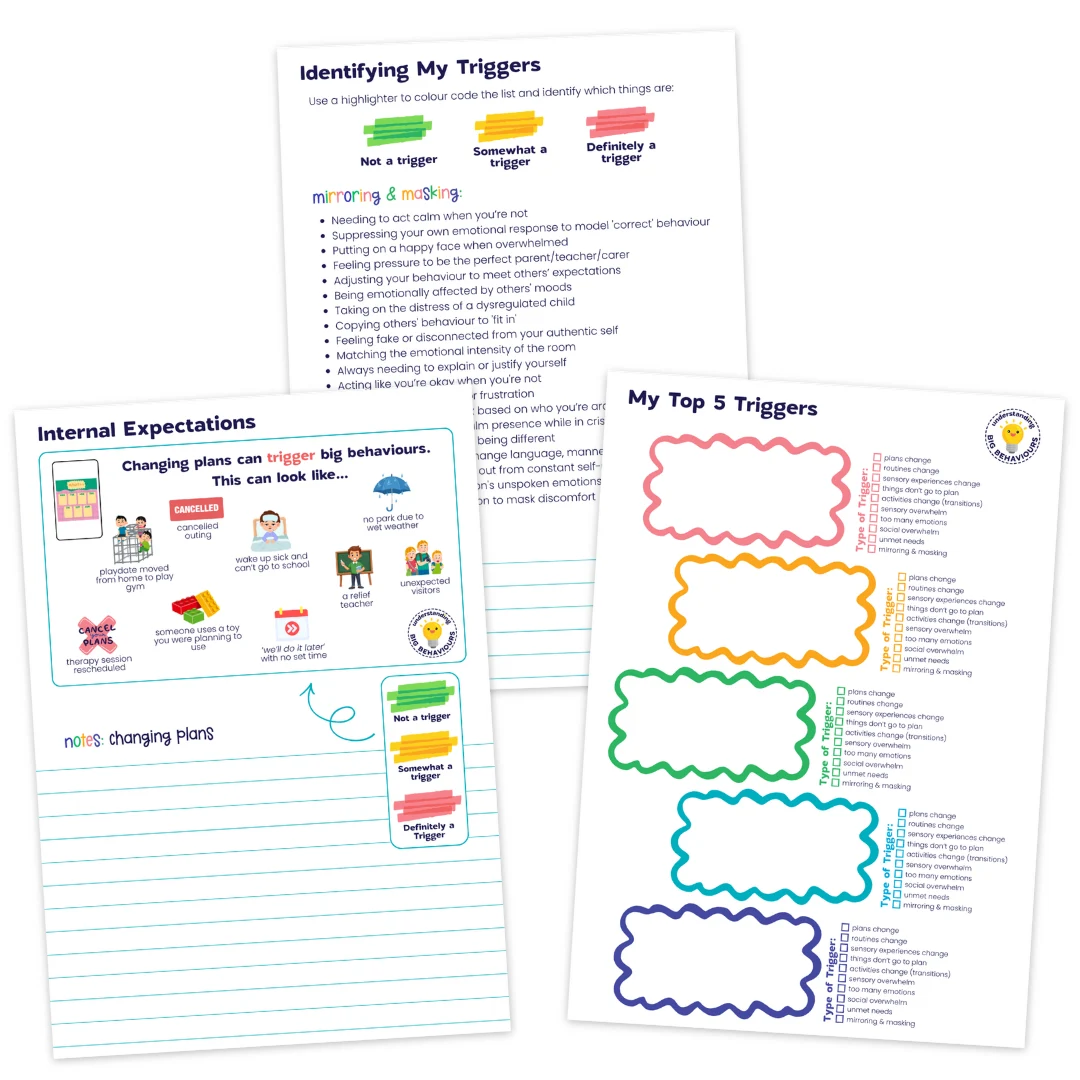
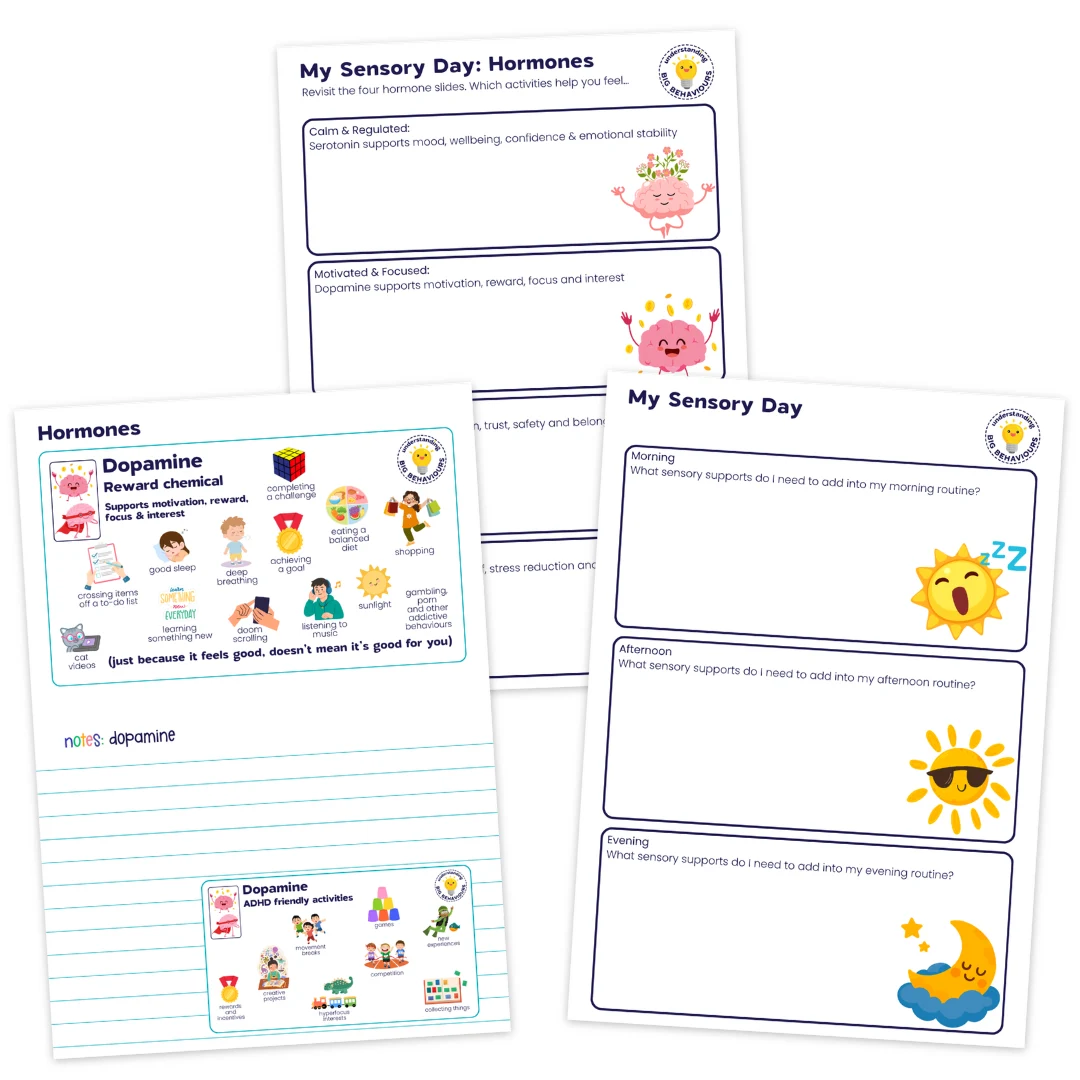
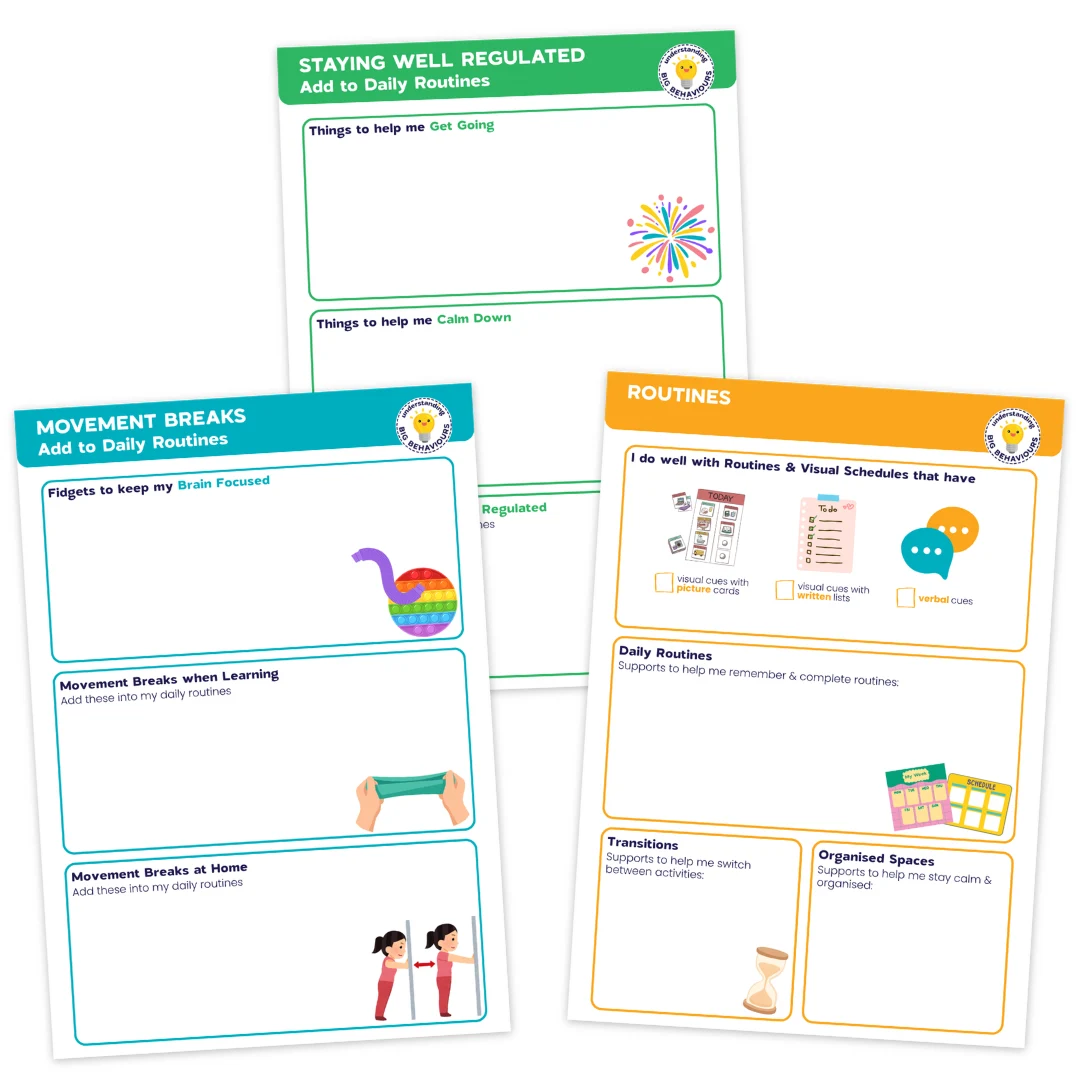
2. Downloadable, printable workbook to help you reflect, explore and personalise your learning. These include guided note-taking, journaling prompts and exercises to identify your own sensory preferences, emotional patterns, behavioural responses, and trauma triggers.
lessons & topics:
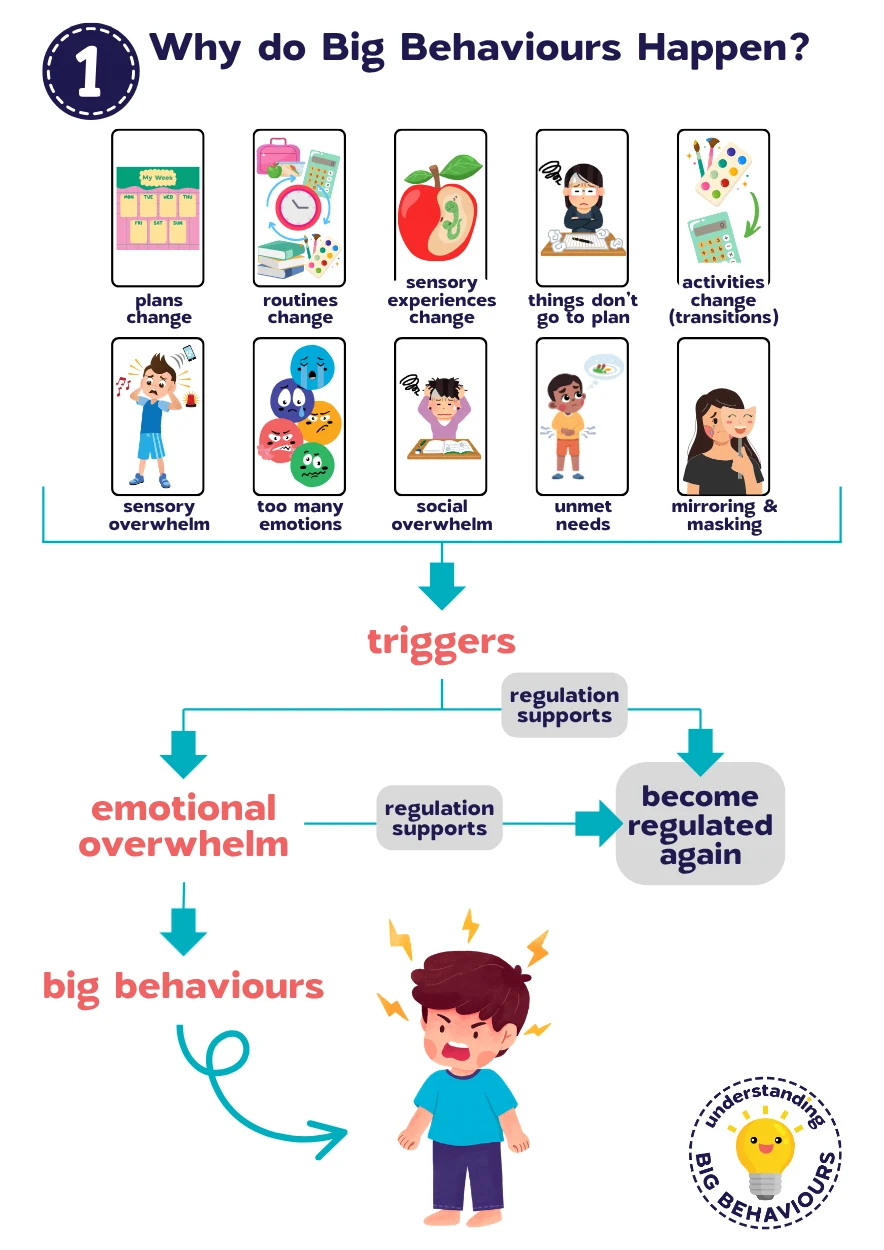
Lesson 1: Why do Big Behaviours Happen?
Topics
- Triggers
- Iceberg Model
- Internal Expectations
- Sensory Overwhelm
- Too Many Emotions
- Social Overwhelm
- Unmet Needs (Maslow 1943)
- Mirroring & Masking
- Emotional Overwhelm
- Big Behaviours
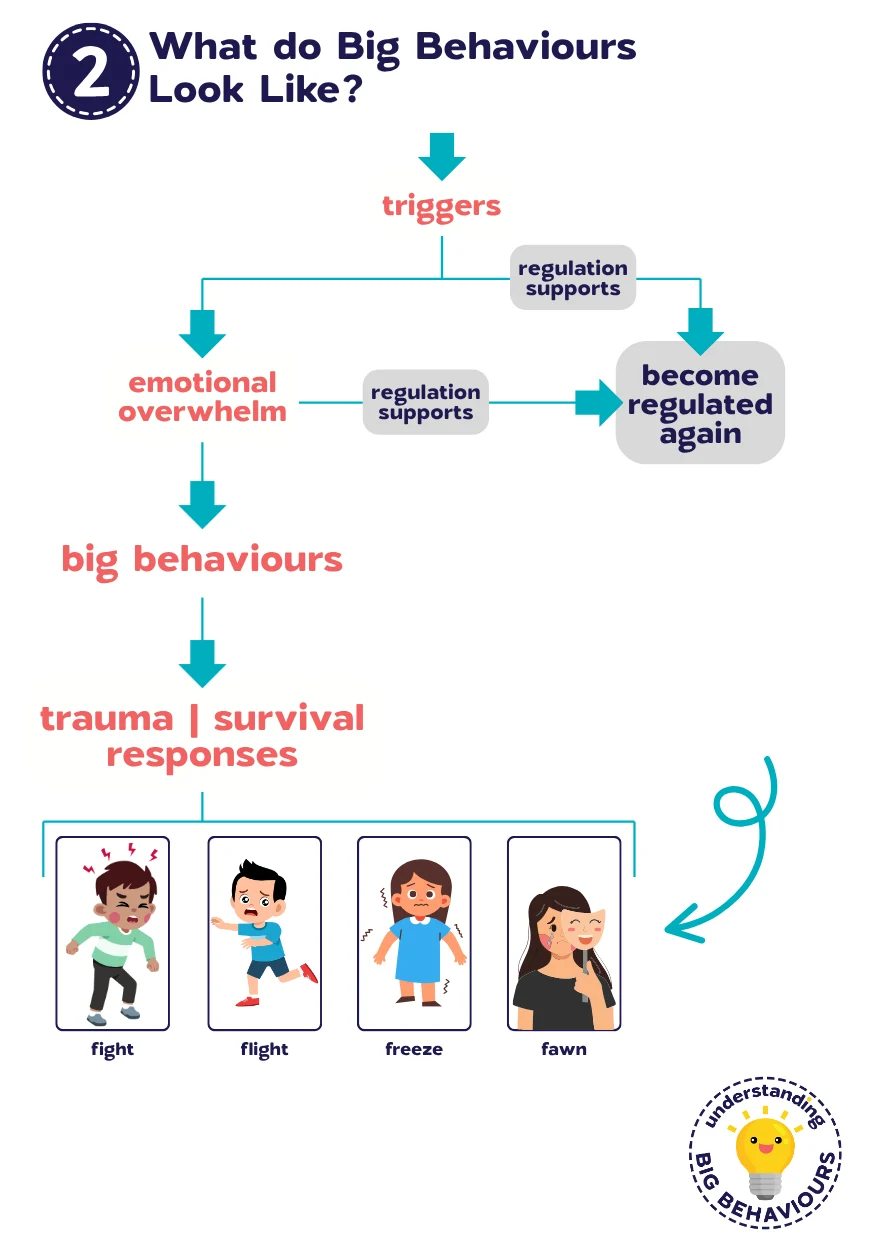
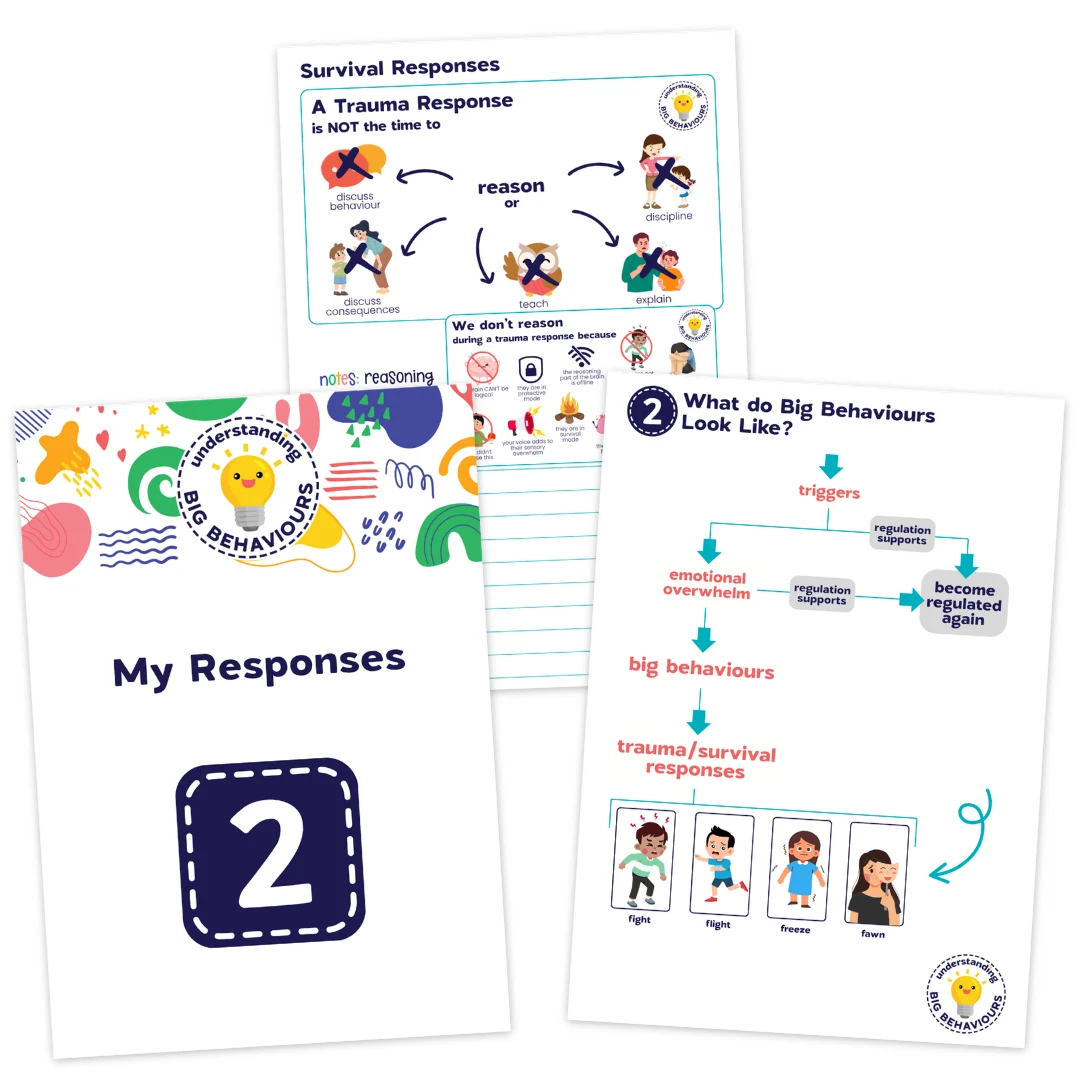
Lesson 2: What do Big Behaviours Look Like?
Topics
- Survival & Trauma Responses
- Fight | Meltdowns
- Meltdowns vs Tantrums
- Flight | Running Away
- Freeze | Shutdowns
- Fawn | Mirroring & Masking to survive
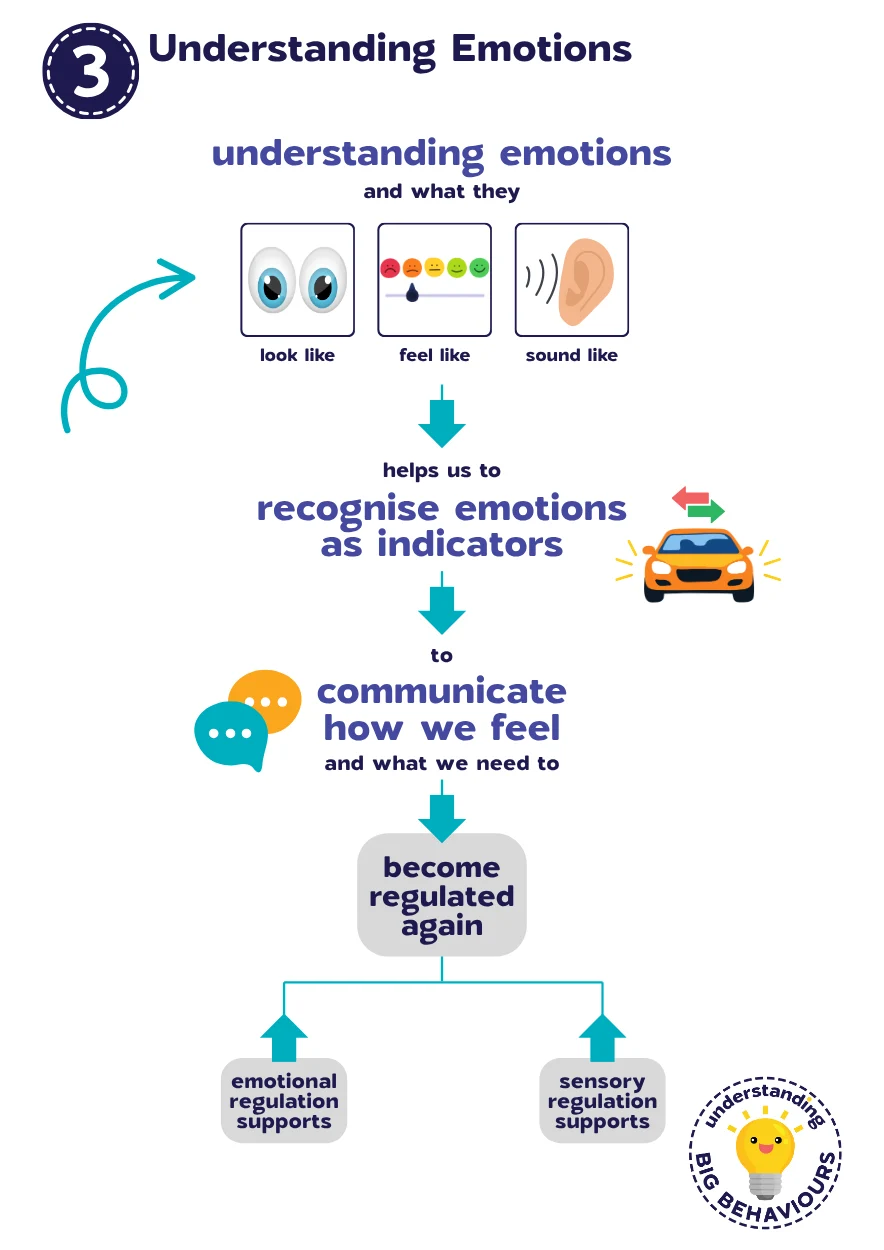
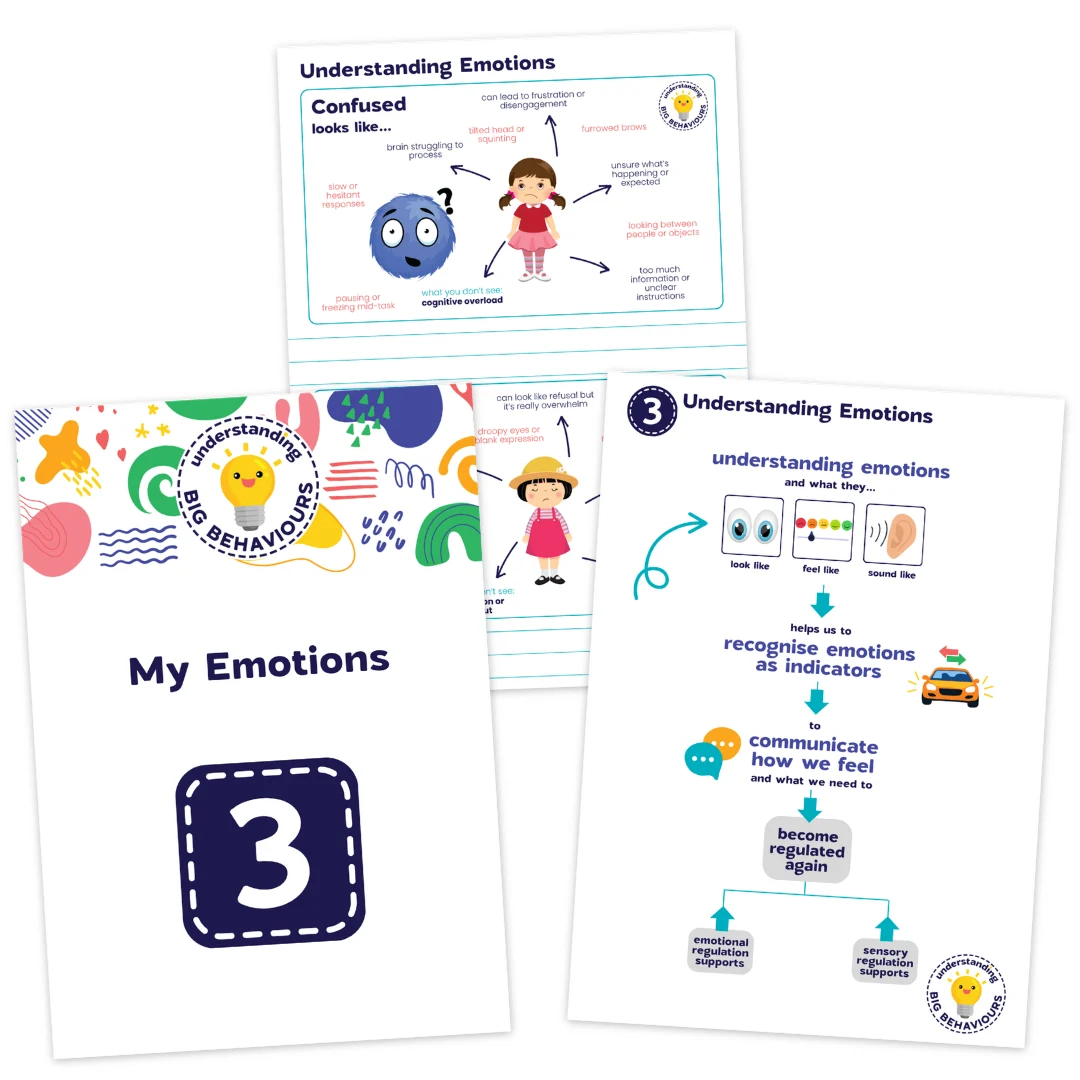
Lesson 3: Understanding Emotions
Topics
- How emotions look, feel & sound
- Recognise emotions as indicators to identify and communicate how we feel, and what we need to become regulated again
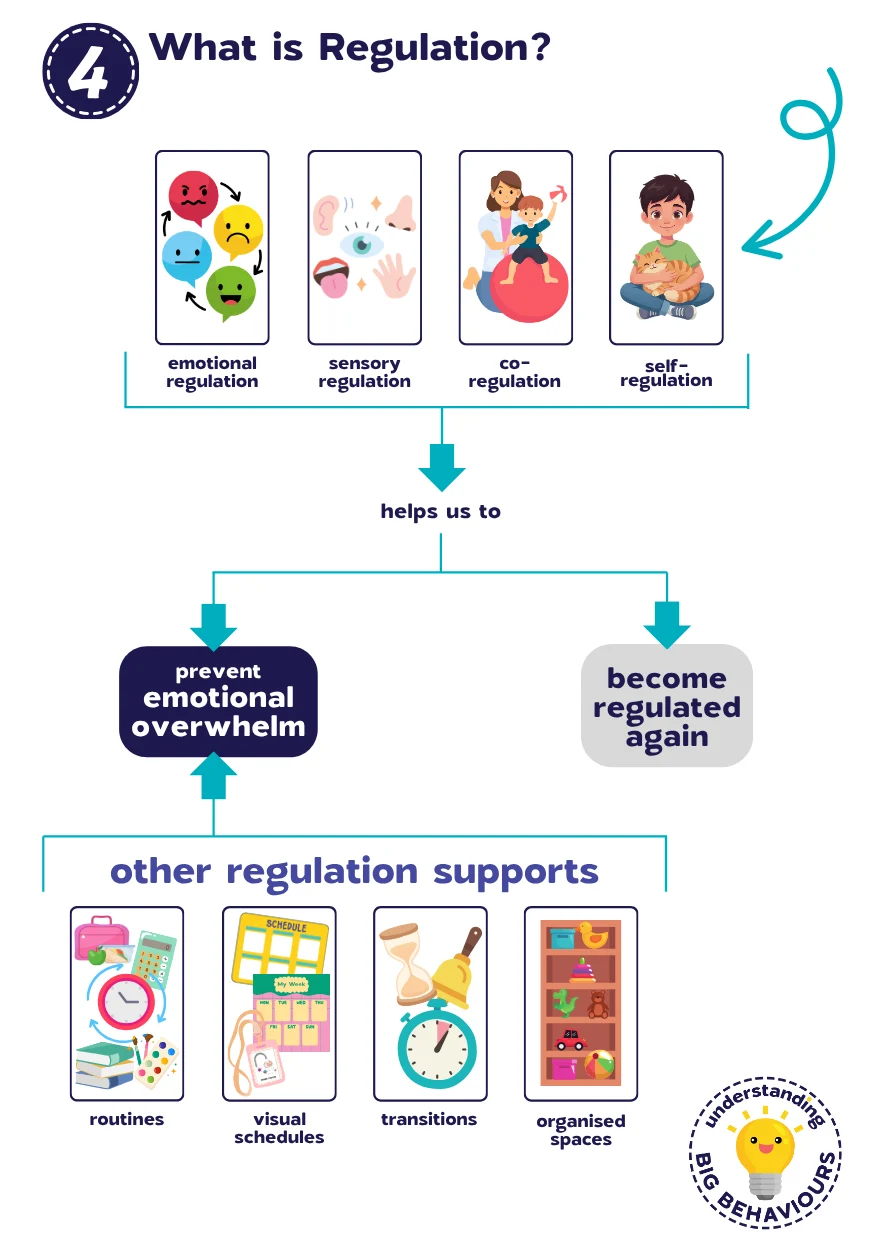
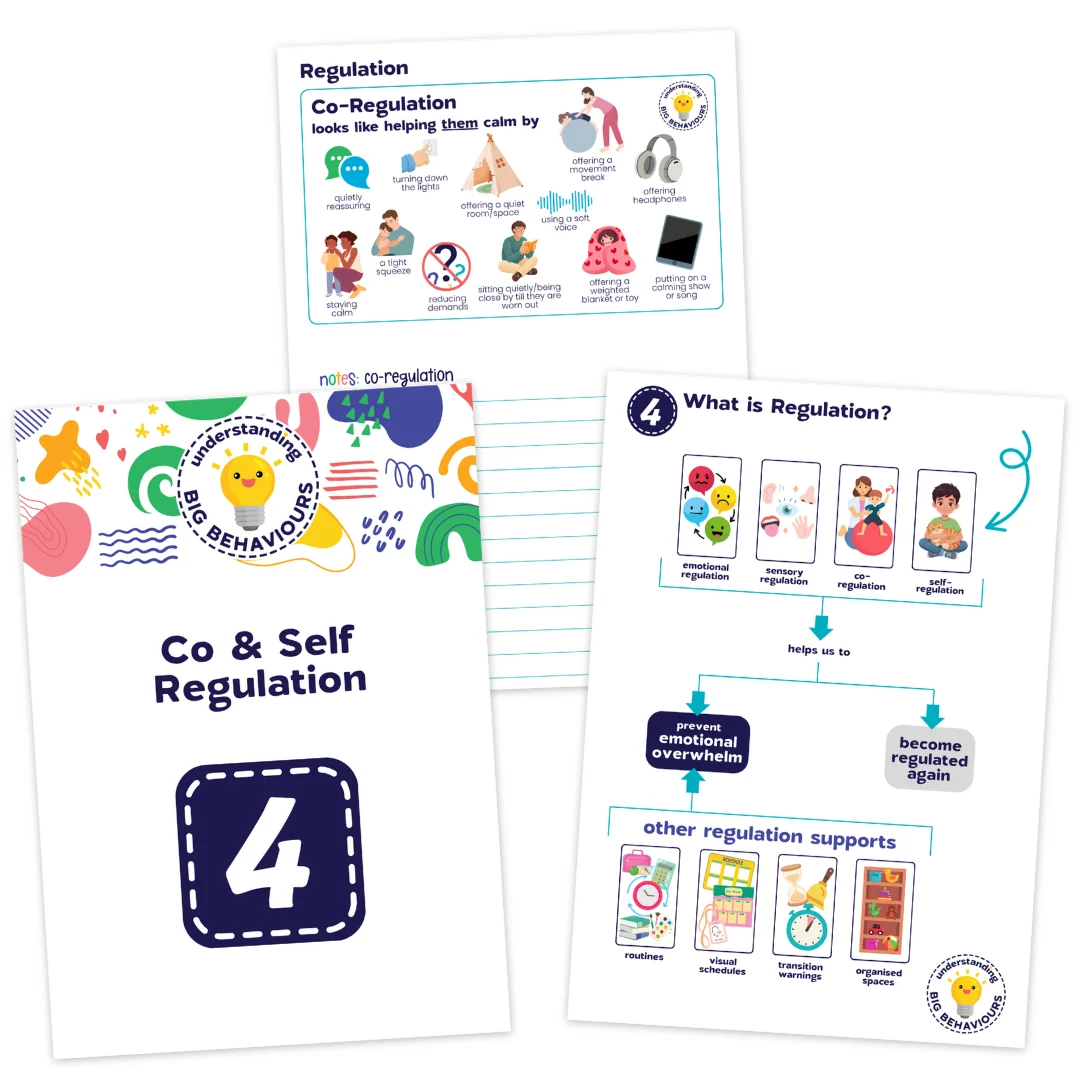
Lesson 4: What is Regulation?
Topics
- Emotional Regulation
- Sensory Regulation
- Co-Regulation
- Self-Regulation
- Preventing Emotional Overwhelm
- Routines & Visual Schedules
- Transitions
- Organised Spaces
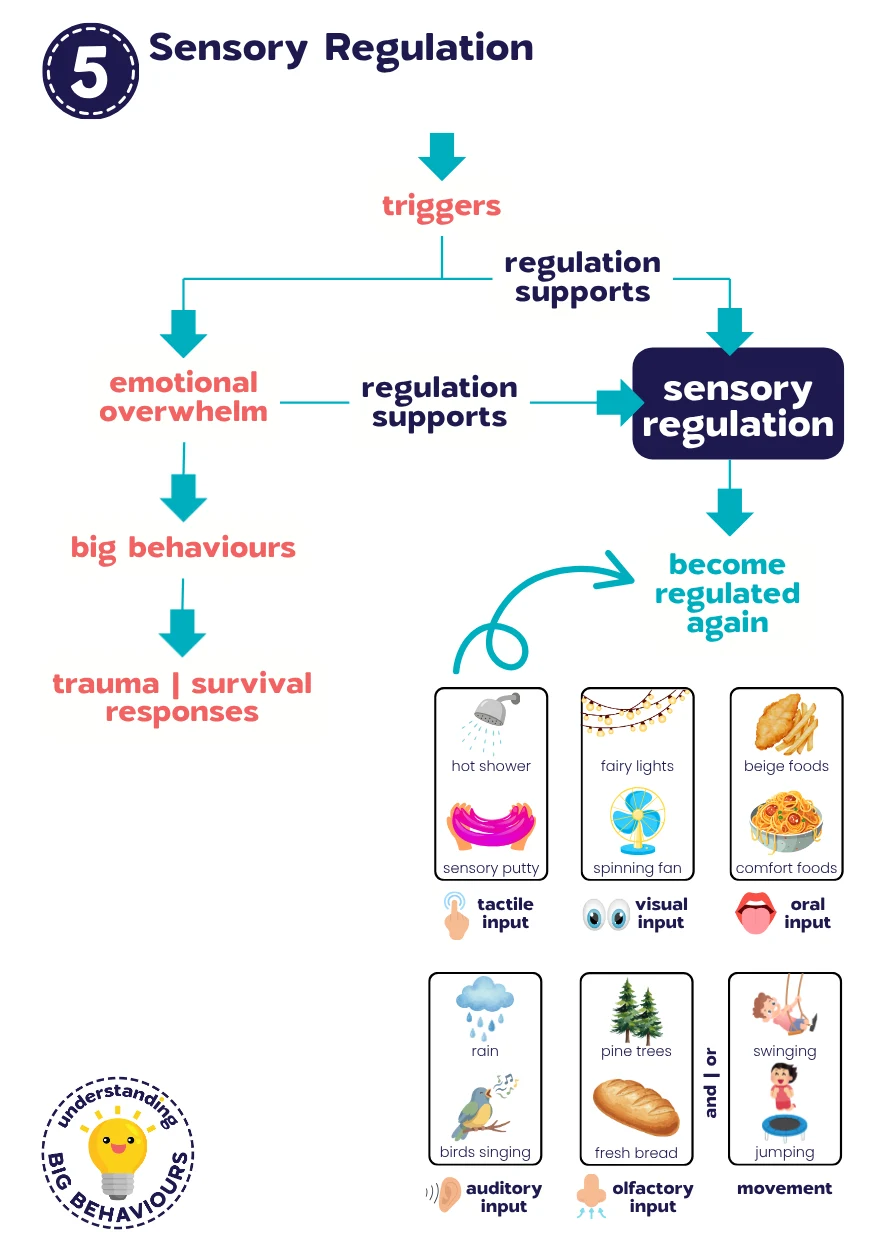
Lesson 5: Sensory Regulation
Topics
- Sensory Preferences & Regulation Supports
- Tactile | Touch
- Visual | Sight
- Oral | Taste
- Auditory | Sound
- Olfactory | Smell
- Proprioception | Movement
- Vestibular | Balance
- Hormones & ADHD
- Things to Get Going
- Things to Calm Down
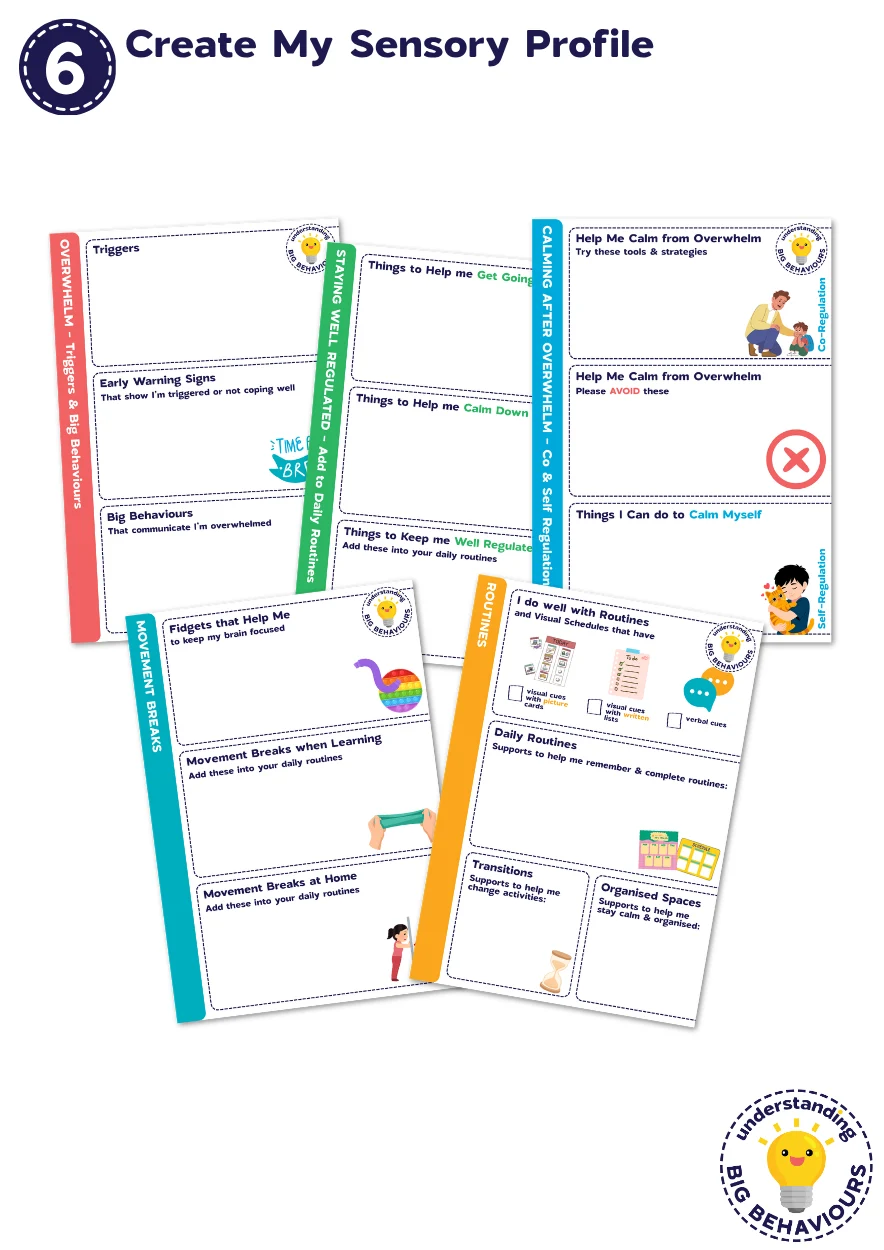
Lesson 6: Build Your Sensory Profile
Let's Build!
- Use the workbook activities completed in each lesson to build your own sensory profile
- When we understand our own sensory needs, we are in a much better position to understand the needs of the children and people in our care; this is why you build your own sensory profile first
Lesson 7: Build Their Sensory Profile
Let's Build!
- Use the workbook activities completed in each lesson to build a sensory profile for someone in your care
- If you are supporting more than one child, client or student, simply print additional copies from the included digital resources.
meet tash:

Hi, I’m Tash 👋
I’m the founder of Understanding Big Behaviours and a qualified teacher with over a decade of hands-on experience navigating neurodivergence both professionally and personally.
As a single mum of two amazing teens with Autism, ADHD, PDA and Dyslexia (the apples didn’t fall far from the tree 🤣), I bring both lived and learned experience to everything I do.
My work is rooted in a neurodiversity-affirming and trauma-informed approach, shaped by:
- A deep understanding of what drives big behaviours
- A passion for emotional and sensory regulation, starting with understanding ourselves first
- Practical tools and strategies that support calm, connection and co-regulation
My goal is to empower parents, carers and educators to move from feeling overwhelmed to feeling confident and connected, both with the vulnerable people they support, and with themselves.
ready to get started?
If you’re feeling overwhelmed by big behaviours and unsure how to respond, you’re not alone and you’re in the right place.
With a blend of professional expertise and lived experience, this course offers practical, neurodiverse-affirming, trauma-informed strategies that help you create calm, connected relationships with the people you support. Whether you’re a parent, educator or carer, you’ll walk away with tools you can use straight away… and the confidence to use them!
Ready to feel more confident, connected and in control?
Take the next step toward calmer days and happier humans 👇
